Silvia
The brunoise cut is a refined and precise cooking technique that involves reducing food into tiny, regular cubes, usually about 2 millimeters in size.
This type of cut is widely used in French cuisine, especially for vegetables, because it ensures even cooking and an elegant presentation. It adds a professional touch even to the simplest dishes.
In this article, I will explain what the brunoise cut is, how it differs from other cuts like julienne, how to execute it properly, and which ingredients it’s best suited for.
Brunoise of Vegetables: What It Is, How to Do It, and What It’s Used For
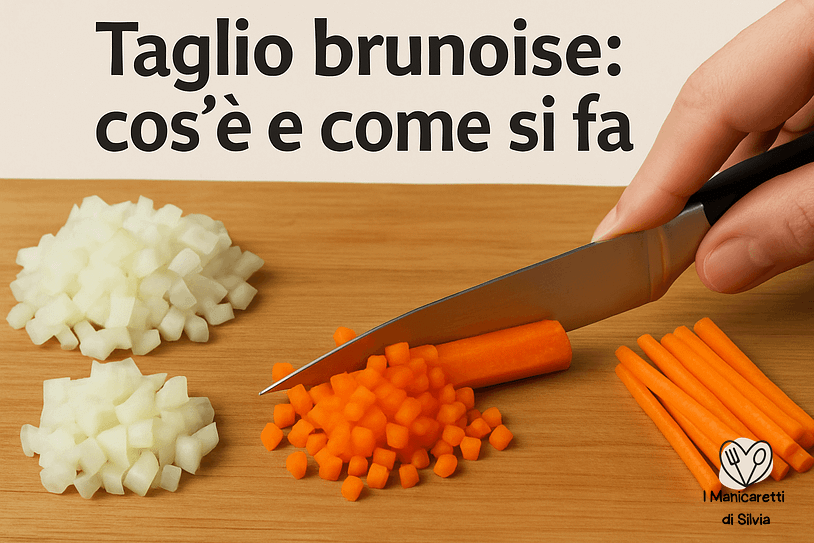
The brunoise cut is achieved by first making a julienne cut, which means slicing the vegetables into thin sticks, and then cutting them crosswise to create tiny, uniform cubes. The vegetables most suited for this type of cut are onion, carrot, celery, zucchini, peppers, and tomatoes.
Brunoise of vegetables is used in various preparations:
-
As a base for refined sautéing
-
To garnish soups and velouté
-
In vegetable tartare
-
To add texture and color to sauces or side dishes
-
For an elegant presentation in gourmet dishes
The precise cut is not just about aesthetics: it improves cooking, flavor distribution, and makes chewing more pleasant.
How to Make Brunoise Cut Step by Step
To achieve a perfect brunoise, you’ll need:
-
A sharp knife (preferably a chef’s knife)
-
A stable cutting board
-
Firm-textured ingredients (very watery vegetables should be pre-treated)
1. Washing and Peeling
Wash the vegetables thoroughly and peel them if needed. For example, carrots and potatoes should be peeled, while zucchini and bell peppers don’t need to be.
2. Slicing
Cut the vegetable into slices about 2 mm thick.
3. Julienne Cut
Stack a few slices and cut them into thin matchsticks of equal thickness (this is the julienne cut).
4. Dicing
Gather the matchsticks and cut them crosswise to obtain the small, uniform cubes that define the brunoise cut.

Brunoise Cut: The Most Common Vegetables
Brunoise Cut – Onion
Onions are well-suited for brunoise thanks to their layered structure. After peeling and halving the onion, make very close horizontal and vertical cuts, then finish with crosswise cuts to get tiny cubes. Brunoise-cut onion is ideal for delicate sautés, sauces, or as a base for risottos and soups.
Carrots should be peeled first, then sliced lengthwise, cut into matchsticks (julienne), and finally diced into small cubes. Brunoise carrots keep a pleasant crunch, making them perfect for salads, side dishes, and soups. You can also blanch them briefly to soften them slightly while maintaining their shape.
Brunoise Cut – Tomato
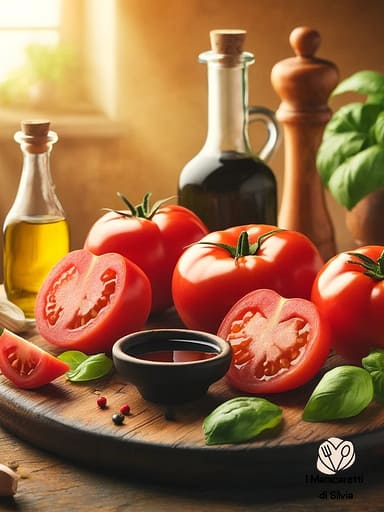
Tomatoes can also be cut into a brunoise, but with a few extra steps due to their high water content and delicate texture. Choose firm tomatoes (like plum or vine-ripened), and blanch them for a few seconds to easily remove the skin. After peeling, cut them in half, remove the seeds and inner juice, leaving only the firm flesh. Then proceed with the classic method: slice, julienne, and dice into uniform cubes. Brunoise-cut tomato is perfect for topping cold dishes, bruschetta, veggie tartare, or adding a fresh touch to pastas and salads.
Difference Between Brunoise and Julienne Cuts
Often confused with the julienne cut, the brunoise is actually a further step beyond it:
| Cut | Shape | Approximate Size |
|---|---|---|
| Julienne | Thin sticks | 4–5 cm long × 1–2 mm thick |
| Brunoise | Tiny cubes | About 2 mm × 2 mm |
Both techniques are used for cutting vegetables, but they serve different purposes:
Julienne is perfect for stir-fries, salads, or garnishes, while brunoise is ideal for sautés, fillings, sauces, and dressings.
Why Use the Brunoise Cut
Using the brunoise cut has several advantages:
-
it ensures even cooking of the diced ingredients
-
it enhances flavor blending in recipes like risottos, sauces, or soups
-
it improves the aesthetic presentation of the dish
-
it makes food easier to digest, especially in meals for children or the elderly.
The brunoise cut is also widely used in vegan and vegetarian cuisine to add texture and color to plant-based dishes..
When to Use the Brunoise Cut in Cooking
You can use the brunoise cut:
-
to prepare a fine and balanced soffritto
-
in vegetable or legume tartares
-
as a garnish in cold dishes (e.g., hummus, soups)
-
to prepare soups and risottos with vegetables
-
in sauces like vinaigrette with finely chopped vegetables.
Tools for a Precise Cut
To achieve a perfect brunoise, it’s important to use:
-
a sharp chef’s knife
-
a stable cutting board
-
a mandoline slicer (optional, for even slices)
A sharp knife reduces the risk of crushing the vegetables and ensures a clean cut.
Other Similar Cuts: Mirepoix and Chiffonade
In addition to the brunoise cut, here are two other useful techniques to know:
-
Mirepoix cut: involves cutting vegetables into larger, irregular cubes, about 1 cm per side. It’s often used as a flavor base for soups, roasts, and stews, where appearance is less important than taste.
-
Chiffonade cut: used for leafy greens like basil, spinach, or lettuce. The leaves are stacked, rolled tightly, and sliced into thin ribbons—perfect for garnishing or flavoring soups, risottos, and salads.
Conclusion
The brunoise cut might seem complex at first, but once you learn the technique, it becomes a valuable tool for making your dishes more elegant, consistent, and flavorful. It’s ideal for anyone who loves attention to detail and wants to add a professional touch to everyday recipes.
With a good knife, some practice, and the right focus, you too can master the julienne and transform it into a perfect brunoise.