Silvia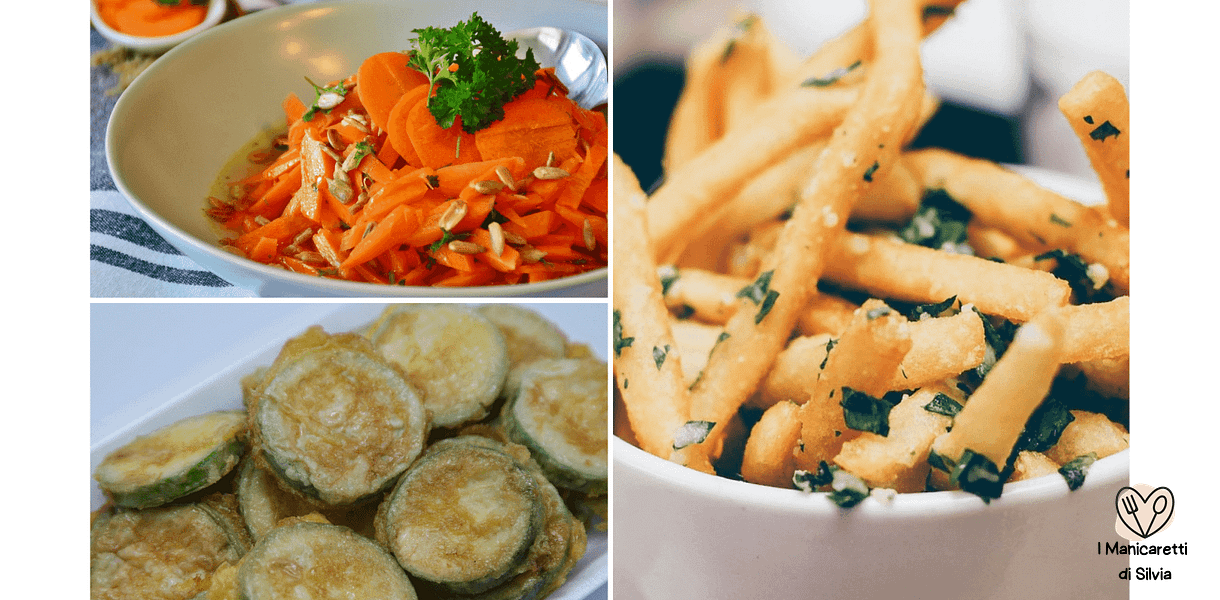
Vegetable Cuts: Do You Know Them All? Read the Article to Find Out…
How to Cut Vegetables: The Complete Guide
In the kitchen, cutting vegetables is not just about aesthetics: the shape and size affect cooking time, texture, and the final flavor of the dish. Knowing the different types of cuts and how to execute them properly is essential for every cooking enthusiast, from beginners to experienced chefs.
In this article, I’ll guide you through the main vegetable cuts, explaining how to make them and when to use each one for best results. Plus, I’ll share useful resources to help you deepen your knowledge of each technique.
Why Knowing Vegetable Cuts Is Important
Each cut has its purpose: some shapes are designed for quick cooking, others to ensure evenness, and others still for a polished aesthetic effect. Knowing the different types of cuts in the kitchen will help you:
-
improve the presentation of your dishes
-
ensure even cooking
-
speed up preparation
-
avoid waste and uneven cuts
Now, let’s take a look at the main vegetable cuts, with their names, descriptions, and recommended uses.
Main Types of Vegetable Cuts: Complete Guide for the Kitchen
Strip Cut
The strip cut, often confused with julienne, is one of the most versatile cuts in the kitchen. It consists of cutting vegetables into strips that can vary in thickness and length depending on the recipe. Unlike julienne—which requires very thin, uniform strips (1-2 mm)—the strip cut can be adapted for different textures and cooking methods, making it more practical and informal.
When to use it: Ideal for carrots, zucchini, bell peppers, celery, and potatoes, perfect for stir-frying, adding to salads, or serving as a light side dish.
How to do it well: After washing and cleaning the vegetable, slice it thinly in the desired direction (lengthwise or crosswise), stack the slices, and then cut them into even strips of the desired width.
For more details, check out my dedicated article on how to cut vegetables into strips.
Round Cut (Rondelle)
The round cut, or rondelle, is simple and versatile. It involves slicing vegetables into evenly sized rounds, generally about 1/8 to 1/4 inch (3–5 mm) thick.
Best for: zucchini, cucumbers, carrots, onions, and potatoes. Great for salads, grilling, or stews.
Tip: To get even slices, use a sharp knife and aim for consistent thickness.
Learn more in my article on how to cut vegetables into rounds.
Brunoise Cut
The brunoise cut is a refined French technique that involves dicing vegetables into very small cubes, about 1/8 inch or less (2–3 mm).
When to use it: Ideal for delicate sautés, garnishes, and recipes that require precision and uniformity, such as sauces or fillings.
How to do it: First, slice the vegetables thinly, then cut them into matchsticks, and finally dice into tiny, even cubes.
Check out my detailed guide on the brunoise cut.
Other Important Vegetable Cuts
Beyond the three classic cuts, there are several other important vegetable cutting techniques every cook should know to master prep work in the kitchen:
-
Mirepoix: Larger dice than brunoise, typically used as a flavor base for soups, stocks, and stews.
-
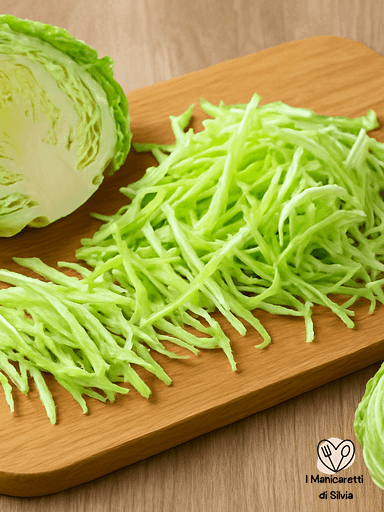
Chiffonade: Thin ribbons, ideal for leafy greens and fresh herbs.
-
Macédoine: Medium-sized cubes (about 1/4 inch or 5 mm), great for salads or vegetable side dishes.
-
Batonnet: Thicker sticks (about 1/4 inch or 6 mm wide), often used for fries or deep-fried vegetables.
-
Dice: Large cubes, commonly used in hearty stews or roasted vegetable dishes.
How to Choose the Right Knife for Every Type of Cut
The quality and shape of your knife are essential for making precise, safe cuts. Here are some tips:
-
Chef’s knife: A versatile all-purpose knife, ideal for most cuts.
-
Fillet knife: Great for delicate, precise slicing.
-
Paring knife (vegetable knife): Smaller and more maneuverable—perfect for fine cuts like brunoise.
-
Mandoline slicer: A handy tool for making uniform slices or matchsticks (julienne) quickly and precisely.
Always use a sharp knife to reduce the risk of accidents and improve the quality of your cuts.
Common Mistakes When Cutting Vegetables (and How to Avoid Them)
-
Uneven cuts: These lead to uneven cooking. Use a sharp knife and practice good technique.
-
Cutting without stability: Make sure the vegetable is stable on the cutting board—always cut a flat base first.
-
Cutting pieces too large or too small: Match the size of your cut to the recipe for the best result.
-
Using the wrong knife: Each type of cut has an ideal tool—choose the right one for the job.
Tips to Speed Up Your Work in the Kitchen
-
Prep all your vegetables before starting to cook.
-
Use electric tools like a food processor or mandoline to save time.
-
Organize your workspace so everything is within easy reach.
-
Practice basic techniques to gain speed and accuracy.
Conclusion
Learning different vegetable cutting techniques is an investment that enhances every dish, from a simple salad to the most complex sauté. Getting comfortable with the methods, choosing the right tools, and knowing when to apply each cut will help you cook better—and enjoy it more.