Silvia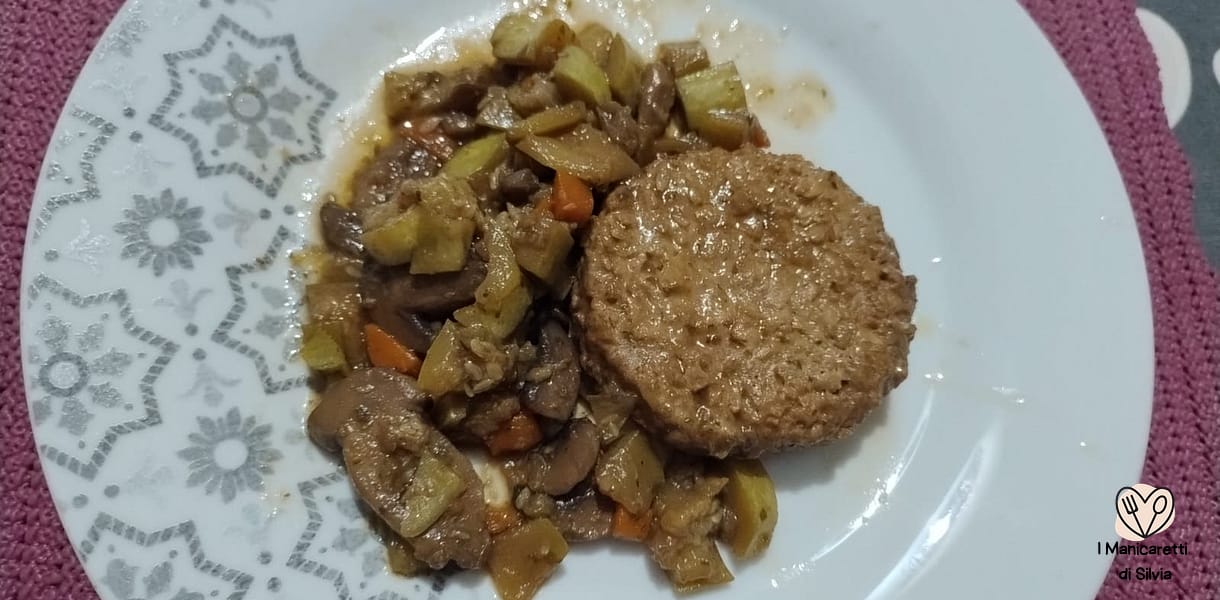
White Wine Skillet Veggie Burgers: a simple and fragrant vegan main dish.
Are you craving a quick but different main course? Try this vegan recipe, easy to prepare and full of flavor. The addition of white wine during cooking gives the burgers a delicate aroma and a softer texture, perfect to pair with a light seasonal side or a mixed salad. In this article, I’ll show you step by step how to make these veggie burgers with just a few ingredients and without needing the oven. Ideal for a complete, quick, and healthy meal—even at the last minute.
Vegan Burger Recipe
The recipe I’m sharing here is perfect if you’re looking for a simple, quick, and tasty main dish. It’s also suitable for those who have little time but don’t want to give up on flavor. It’s made with ready-made veggie burgers and a splash of white wine that makes them more fragrant and tender. In this article, I’ll show you how to cook them perfectly in a pan, with tips on side dishes, timing, and pairings for a balanced meal suitable for the whole family. I’ll also share some variations so you can prepare them in different ways, along with their nutritional benefits.
White Wine Skillet Veggie Burgers: ingredients
Serves 2:
-
1 tablespoon extra virgin olive oil
-
2 veggie burgers
-
1 zucchini (about 7 inches long)
-
3.5 oz champignon mushrooms (about 1 cup sliced)
-
1 small carrot (about 1.4 oz or 3 tablespoons grated)
-
1/4 onion (about 2 tablespoons chopped)
-
1 clove garlic
-
1 cup white wine
-
A sprinkle of parsley
-
3 pinches of salt
-
Water.
White Wine Skillet Veggie Burgers: preparation
First, put the sliced onion and whole garlic clove in a nonstick pan with one tablespoon of oil. Sauté until golden, then add a glass of water to soften the onion.
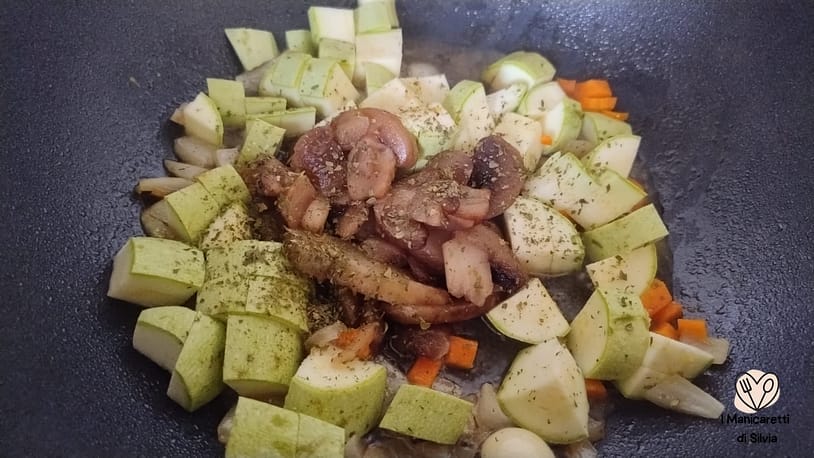
Meanwhile, chop the zucchini and carrot and add them to the pan along with the mushrooms (I used frozen sliced mushrooms). Remember to remove the garlic so it doesn’t break apart. Sprinkle some parsley, add about ⅔ cup (200 ml) of water, and three pinches of salt. Cover and let it absorb, stirring occasionally.
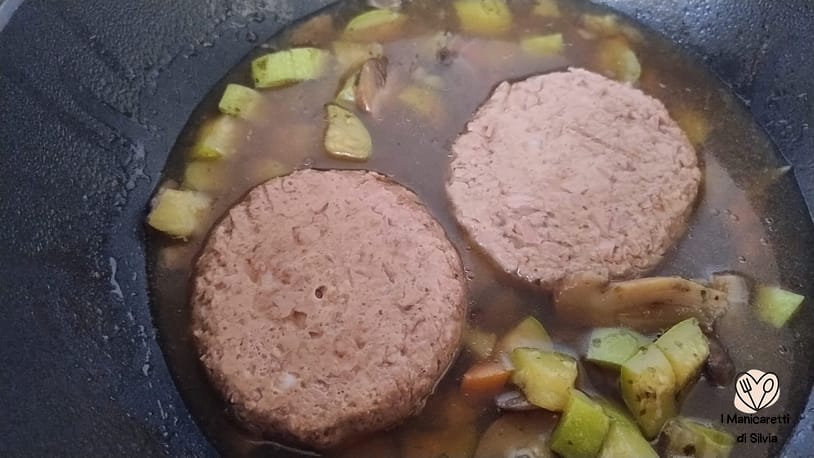
Pour in the white wine and add the burgers. Cook for 5 minutes on each side. For this recipe, I used Garden Gourmet’s Sensational Burgers.
After 10 minutes, there will still be some wine left, so if you’re eating immediately, flip the burgers again and let the wine fully absorb. Otherwise, if you prepare them in the morning for dinner (like I do), turn off the heat and reheat them in the evening.
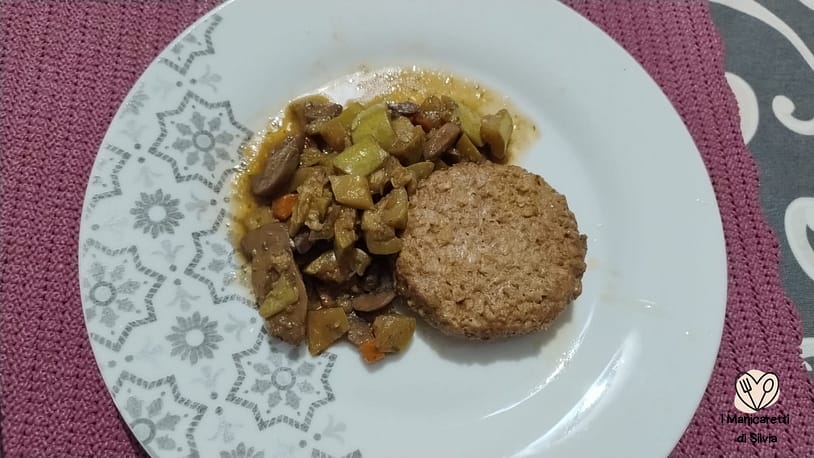
Here’s one served up!
For a first course, you can prepare pasta alla Norma without frying the eggplant, and pair it with a flavorful tomato salad as a side dish.
How to Choose Plant-Based Burgers: Helpful Tips
When it comes to plant-based burgers, many people assume they’re overly processed and not healthy. But it’s important to remember that even a regular beef burger can be high in saturated fats and sodium. In fact, veggie burgers are often lighter, lower in fat, and contain no cholesterol.
Tips for choosing the best plant-based burgers:
-
Check the label: Choose products with simple, whole-food ingredients you recognize.
-
Avoid artificial flavors and unnecessary preservatives.
-
Look for options made from legumes, whole grains, and vegetables.
-
Protein content: Aim for at least 12–15 grams (0.4–0.5 oz) of protein per patty.
-
Sodium: Choose burgers with less than 230–300 mg of sodium per serving (roughly under 120 mg per 2 oz).
-
Serving size reference: A typical veggie burger in the U.S. is around 3–4 oz (85–113 g) per patty.
Plant-based burgers can absolutely be a smart, nutritious choice—just select them carefully and enjoy them as part of a balanced diet.
Flavorful Variations
1. Burger with Caramelized Onions
Slice one onion thinly and sauté it in a pan with 1 teaspoon of brown sugar and a splash of balsamic vinegar until soft and golden. Add your veggie burgers to the pan for a sweet-and-savory twist.
2. Burger with Potatoes
Dice one small potato and cook it along with the zucchini and carrot for a heartier, more filling side. This makes the dish feel like a complete meal.
3. Simmered Veggie Burger (In Tomato Sauce)
Add about 1/3 cup (100 ml) of tomato purée after pouring in the wine. Cover and simmer for 10 minutes. The burgers will become even more tender and flavorful, with a rich tomato sauce.
4. Alcohol-Free Burger Version
Don’t want to use white wine? Replace it with vegetable broth or water flavored with lemon juice and chopped parsley. It’s just as tasty and even lighter!
Nutritional Benefits of Vegan Burgers
Vegan burgers—like the ones used in this recipe—are typically made from legumes, whole grains, and vegetables. They offer a good amount of plant-based protein and are naturally cholesterol-free and lower in saturated fat than meat-based burgers. They’re also a source of fiber and key micronutrients like iron and vitamin B12 (if fortified), making them a smart choice for vegetarians and vegans alike.
To make the healthiest choice, always check the label: look for simple, recognizable ingredients, minimal salt, and no artificial flavors or preservatives.
In particular, Garden Gourmet burgers have a great texture and work well whether you pan-cook or bake them.
Vegan Skillet Burger FAQ
How do I cook vegan burgers in a pan without drying them out?
Cover the skillet with a lid while cooking and add a little liquid (like white wine or vegetable broth). Cook over medium heat to keep them moist and tender.
Can I use homemade veggie burgers?
Absolutely! If you’re making burgers with legumes or tofu, make sure they’re well compacted. Cook them over medium heat and flip gently to avoid breaking.
What kind of pan should I use to cook veggie burgers?
A non-stick skillet works best to prevent sticking. For a crispier crust, you can also use a cast iron pan.
What can I serve with these burgers?
Try them with grilled vegetables, mashed potatoes, or a simple salad. You can also serve them on whole grain buns with vegan mayo for a classic burger-style meal.
Skillet, Oven, or Air Fryer? The Best Way to Cook Vegan Burgers
Each cooking method has its own benefits, and the choice depends on the type of burger and how much time you have:
-
Skillet: Ideal for quick, even cooking—perfect for pre-made or firm veggie burgers.
-
Oven: Great if you want to cook multiple burgers at once with minimal oil. It gives a nice crispy crust and even doneness.
-
Air fryer: In just 10 minutes at 350°F (180°C), you get burgers that are crispy on the outside and tender inside, using very little oil. It’s a great option for light and fast cooking.
I don’t own an air fryer, and I get excellent results using a non-stick skillet or baking tray lined with parchment paper—no added oil needed, and the result is always light and flavorful.
Try the method that works best for you based on your burger’s texture and the finish you want!
Ideas for Serving Veggie Burgers (Beyond the Bun!)
Veggie burgers are super versatile and can be the star of many different meals:
-
With rice and sautéed vegetables: A complete, filling, and balanced main dish.
-
In a grain bowl or hearty salad: Slice the burger and use it as a topping for salads with legumes, grains, or potatoes.
-
In wraps or flatbreads: Great even when cold—perfect for lunch at the office or a picnic.
-
As a main course: Serve with oven-roasted potatoes, grilled veggies, or a dairy-free yogurt sauce for a rich and satisfying meal.
White Wine Skillet Burgers: Final Thoughts
These white wine skillet burgers are a quick, flavorful vegan recipe that works in any season. Just pick your favorite plant-based burger, toss in some veggies, and deglaze with white wine for a fragrant and satisfying main dish.
Save the recipe to your favorites and try the variations too—so you’ll never get bored!