Silvia
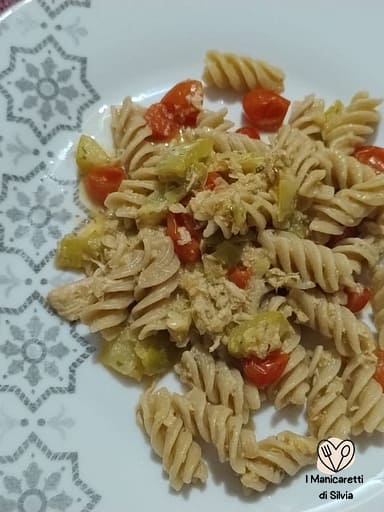
Did you search for “Pasta alla Norma recipe without frying the eggplant”? You’re in the right place! Here, I’ll share a light preparation that’s perfect for those on a diet or simply looking to eat healthy.
Pasta alla Norma Without Frying
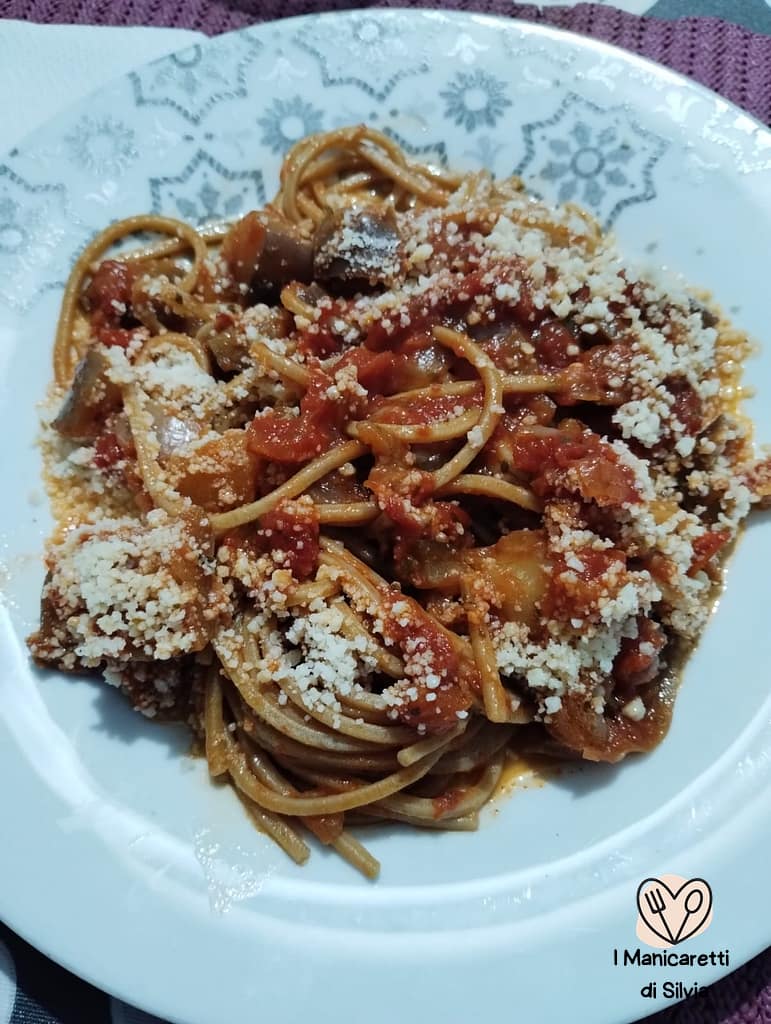
This classic Mediterranean dish is typically made with tomatoes, fried eggplant, ricotta salata, and basil. I’ve completely revamped it. First, as I mentioned, the eggplants aren’t fried but sautéed in a bit of oil and seasoned with tomato pulp and parsley instead of basil. Second, I used spaghetti instead of macaroni. And the best part: this is a Pasta alla Norma without ricotta, topped with 100% plant-based Parmesan before serving.
Pasta alla Norma Recipe Without Frying the Eggplant: Ingredients
Servings: 2
- 1 tablespoon oil
- 1/4 onion
- 1 eggplant
- Parsley
- 400 g tomato pulp (about 14 oz)
- 120 g whole wheat spaghetti (about 4.24 oz)
- Plant-based grated Parmesan or Nutritional Yeast Flakes
- Iodized salt
Light Pasta alla Norma: Preparation
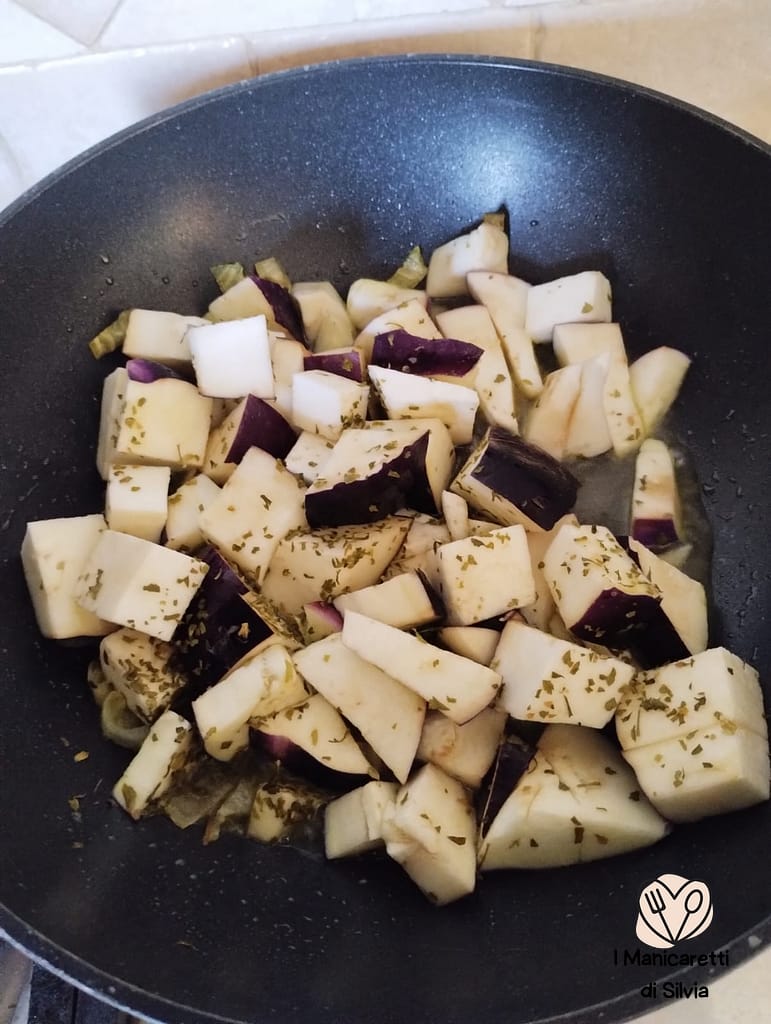
Slice the onion and sauté it with the oil over low heat in a non-stick pan. Once it becomes slightly golden, add a cup of water to soften it. Cut the eggplant into cubes or larger pieces—either will cook perfectly. Then add the eggplant to the onions and cook for a couple of minutes with the parsley. I prefer dried parsley for its flavor and because I don’t like the stems.
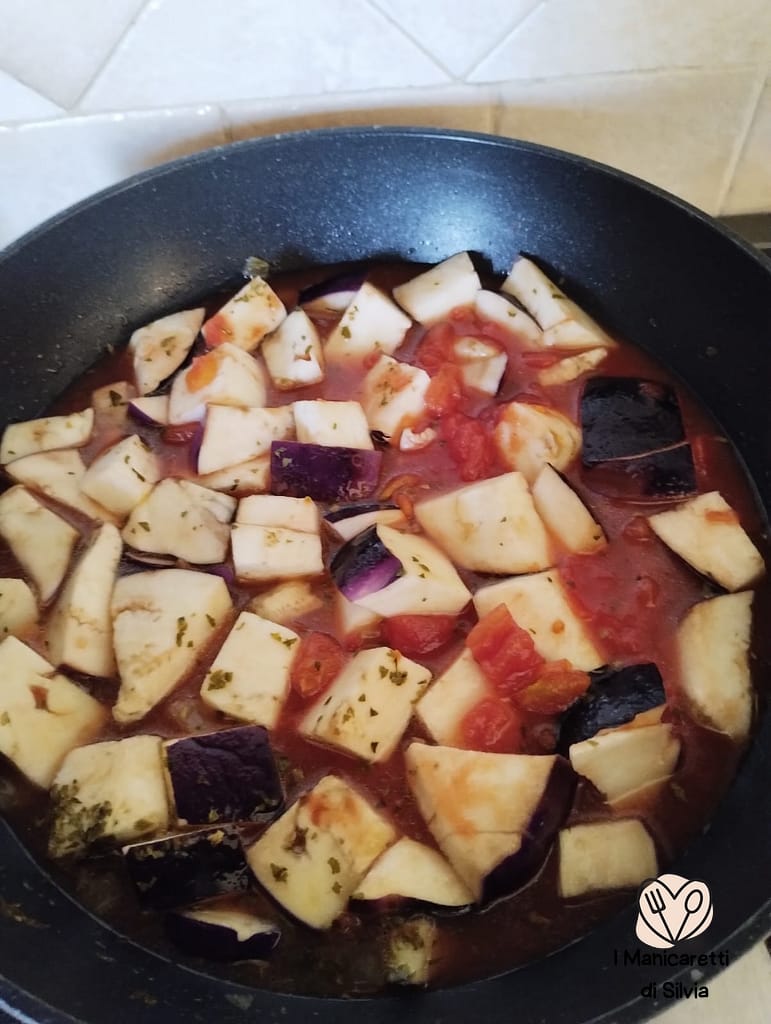
Then add the tomato pulp, 400 ml of water (about 1.7 cups, you can use the same can as a measure and to catch any leftover tomato residue), and three pinches of salt. Cover with a lid and cook over high heat. My favorite tomato pulp is Casar, but you can use whichever you prefer. I recommend choosing a high-quality brand, as it will give the sauce a better flavor.
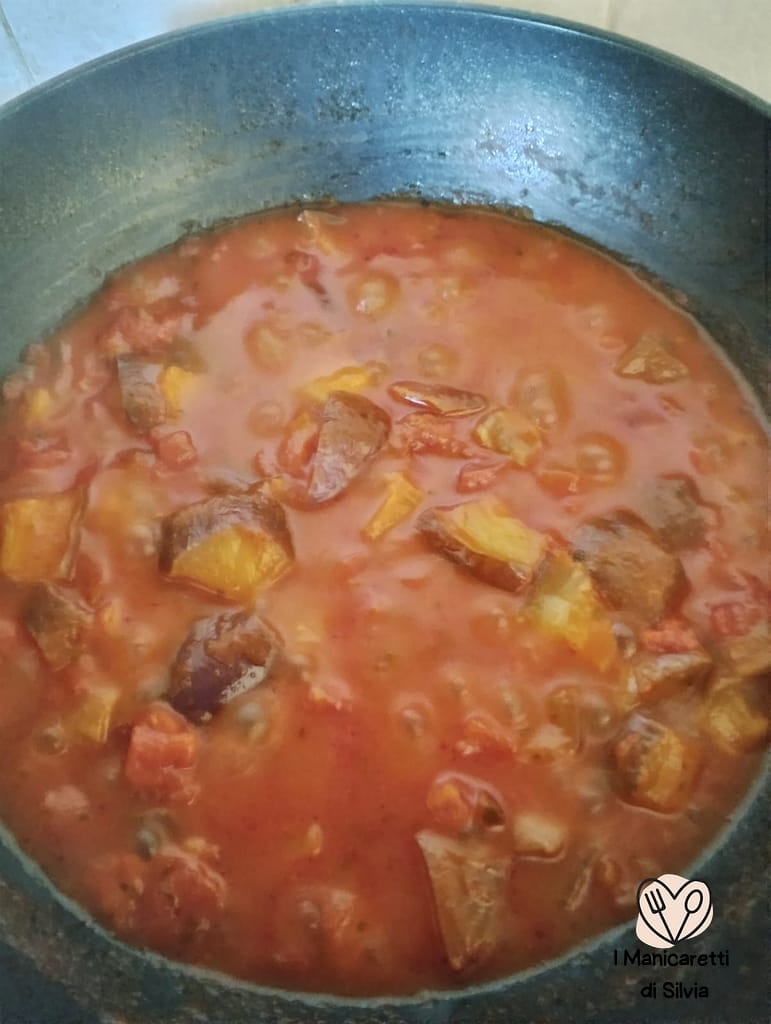
Fill the pot halfway with water, add 2 teaspoons of salt, and cover. When it boils, add the spaghetti. Check the package; it usually takes around ten minutes. Drain the pasta, add it to the sauce, and toss for a few seconds. Serve immediately. Sprinkle plant-based Parmesan directly on the plate and, if desired, a bit of chili pepper.
Pasta with Non-Fried Eggplant: Variations
In addition to the original Pasta alla Norma recipe, you can prepare simple spaghetti with eggplant. You could also use basil instead of parsley, or nutritional yeast instead of Parmesan. Sometimes, I make spaghetti with an eggplant and caper sauce. All of these variations are delicious, as these vegetables are very versatile. Finally, some people make baked Pasta alla Norma, which requires a longer process and I would recommend avoiding if you’re looking for a quick recipe.
Pasta alla Norma Recipe Without Frying the Eggplant: Nutritional Properties of the Ingredients
Olive Oil
Olive oil is a fundamental ingredient in Mediterranean cuisine and is renowned for its health benefits. One tablespoon of olive oil contains about 120 calories and is primarily composed of monounsaturated fats, which are known to improve cardiovascular health. These healthy fats can help lower LDL (the “bad” cholesterol) levels and raise HDL (the “good” cholesterol) levels. Olive oil is also rich in antioxidants, including vitamin E and phenolic compounds, which combat oxidative stress and inflammation in the body. Additionally, extra virgin olive oil has anti-inflammatory properties similar to those of ibuprofen, making it an excellent addition to a healthy diet.
Onion
Le cipolle sono un ingrediente base della nostra pasta alla norma senza friggere e offrono una vasta gamma di benefici per la salute. Un quarto di cipolla contiene circa 15 calorie e fornisce una buona quantità di vitamina C, vitamina B6, folati e potassio. La vitamina C è un potente antiossidante che aiuta a rafforzare il sistema immunitario, mentre la vitamina B6 è cruciale per il metabolismo delle proteine e la funzione cerebrale. I folati sono essenziali per la produzione e la riparazione del DNA, e il potassio è vitale per il mantenimento della pressione sanguigna e la funzione muscolare. Le cipolle contengono anche composti solforati, che vantano proprietà anti-infiammatorie e antibatteriche. Contribuiscono quindi alla salute del cuore e riduconoil rischio di malattie croniche.
Onions are a staple ingredient in our Pasta alla Norma without frying and offer a wide range of health benefits. A quarter of an onion contains about 15 calories and provides a good amount of vitamin C, vitamin B6, folate, and potassium. Vitamin C is a powerful antioxidant that helps strengthen the immune system, while vitamin B6 is crucial for protein metabolism and brain function. Folate is essential for DNA production and repair, and potassium is vital for maintaining blood pressure and muscle function. Onions also contain sulfur compounds, which have anti-inflammatory and antibacterial properties, contributing to heart health and reducing the risk of chronic diseases.
Eggplant
Eggplant is a versatile and nutritious vegetable, low in calories and high in fiber. A medium-sized eggplant (about 250 grams) contains only 20-25 calories, making it ideal for those looking to control their calorie intake. It is rich in antioxidants, particularly anthocyanins, which give the vegetable its distinctive purple color. Anthocyanins have anti-inflammatory and anti-cancer properties. Eggplant is also a good source of B vitamins, which support energy metabolism and brain function, and vitamin K, which is important for blood clotting and bone health. Additionally, minerals like copper and manganese found in eggplant support the immune system and energy production.
Tomato Pulp
Tomato pulp is a key ingredient in many Italian recipes and offers numerous nutritional benefits. 400 grams (14.1 ounces) of tomato pulp contain about 70-80 calories. Tomatoes are an excellent source of vitamins A and C, which are crucial for eye health, skin health, and the immune system. Additionally, they are rich in lycopene, a powerful antioxidant that reduces the risk of cardiovascular diseases and certain types of cancer, particularly prostate cancer. Tomato pulp is also a good source of potassium, which helps maintain fluid balance and blood pressure, and fiber, which promotes digestion and intestinal health.
Whole Wheat Spaghetti
Whole wheat spaghetti is an excellent choice for those looking to increase their fiber intake. 60 grams (2.1 ounces) of whole wheat spaghetti contain about 210-220 calories, 7-8 grams (0.25-0.28 ounces) of protein, and 6-7 grams (0.21-0.25) of fiber. Fiber is essential for digestive health, helping to maintain regular bowel movements and prevent constipation. Additionally, fiber can help control blood sugar levels and reduce the risk of cardiovascular diseases. Whole wheat spaghetti is also a good source of B vitamins, such as thiamine, riboflavin, and niacin, which are crucial for energy metabolism. Minerals like iron and magnesium found in whole wheat pasta support energy production and bone health.
How to tell if the whole wheat spaghetti at the supermarket is truly whole grain and not just colored? There’s a trick, of course! Check the label: it should have at least 2 grams of fat per 100 grams.
Plant-Based Grated Parmesan
Plant-based grated Parmesan is often made with ingredients such as nuts (cashews or almonds) and nutritional yeast. This type of Parmesan is a good source of protein, B vitamins, and minerals. A serving of plant-based Parmesan (about 10 grams) contains approximately 60-70 calories. Nutritional yeast is particularly rich in B vitamins, including B12, which is essential for red blood cell production and nervous system function. The nuts and seeds used in plant-based Parmesan are also a good source of healthy fats, which help keep the heart healthy and provide lasting energy.
Iodized Salt
Iodized salt is an important source of iodine, an essential mineral for thyroid function. Iodine is crucial for the production of thyroid hormones, which regulate metabolism, growth, and development. Although the caloric content of salt is negligible, it’s important to use it in moderation to maintain cardiovascular health. Using iodized salt can help prevent thyroid disorders such as goiter and hypothyroidism, which can result from iodine deficiency.
The Pasta alla Norma recipe without frying the eggplant is a light and healthy variant of the classic Sicilian dish, perfect for those who want to enjoy a flavorful meal without overdoing the calories. It’s ideal for anyone following a diet or simply wishing to eat healthier without sacrificing the joy of good food.
Remember, versatility is the strength of this recipe: you can experiment with variations by adding capers, substituting basil for parsley, or using nutritional yeast instead of plant-based Parmesan. The possibilities are endless, and each modification can bring a new flavor dimension to the dish.
If you enjoyed this article, check out the recipe for Stew with Zucchini.
Enjoy your meal and see you soon!