Silvia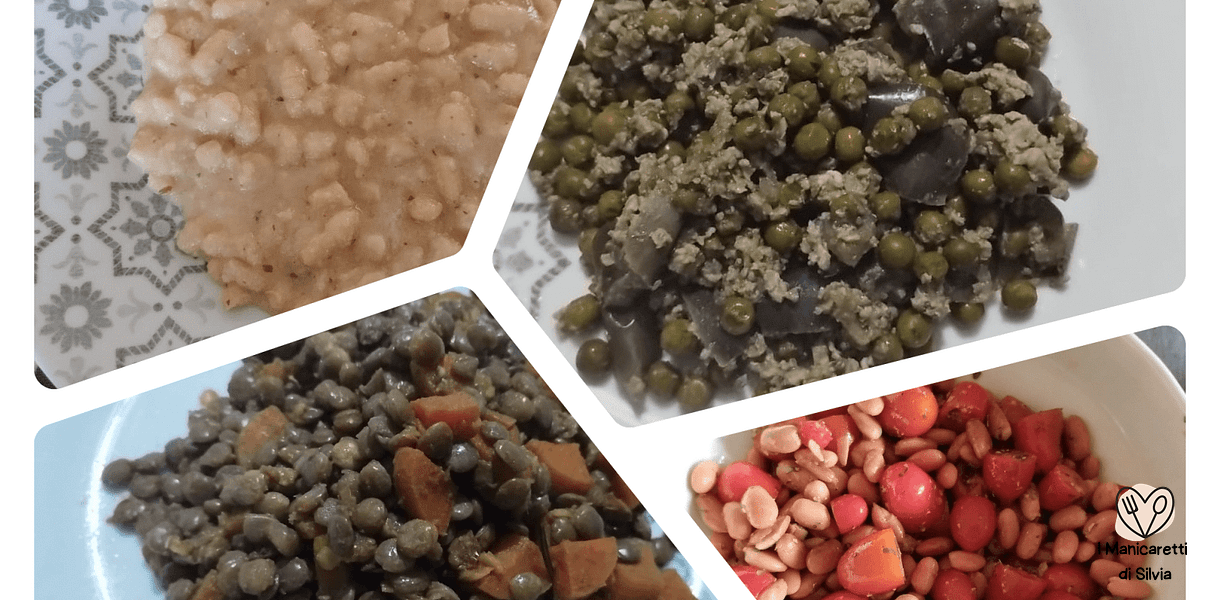
Light Legume Recipes: Tasty, Simple and Perfect for Every Day.
Healthy, easy, and full of flavor: discover light recipes with legumes.
Legumes are among the most versatile and nutritious foods in the kitchen — perfect for anyone looking for light, balanced, and flavorful meals. If you’re searching for delicious and healthy ways to add more legumes to your diet, you’re in the right place.
In this article, you’ll find a complete collection of light legume-based recipes suitable for everyone: vegetarians, vegans, omnivores — and especially for those who want to eat healthy without sacrificing taste.
From salads to one-pot meals, side dishes to soups, I’ll show you how to use beans, lentils, chickpeas, peas, fava beans, and more in light, nutritious, and easy-to-make dishes — perfect for balanced meals rich in fiber and plant-based protein.
Legume Recipes
Legumes are perfect for creating flavorful dishes without feeling heavy. In this guide, you’ll find ideas for legume-based recipes suited for any time of day — from hearty one-pot meals to fiber-rich side dishes, fresh salads, and satisfying yet light first courses.
We’ll also explore how to pair legumes with vegetables, the best cooking methods for light but fulfilling meals, and how to choose between dried, fresh, or canned legumes.
Light Legume Recipes: Easy and Healthy Ideas
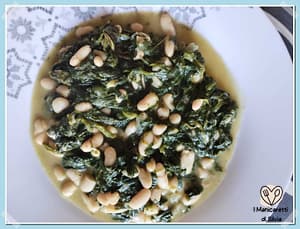
1. Sautéed Spinach and Cannellini Beans
A super simple yet highly nutritious recipe. Stewed spinach combines with cannellini beans to create a complete dish, rich in iron, plant-based protein, and fiber. Perfect as a hearty side or a light main course.
2. Borlotti Bean Salad
Fresh, filling, and super quick to prepare. This recipe is perfect for summer—a light lunch made with seasonal vegetables and canned borlotti beans.

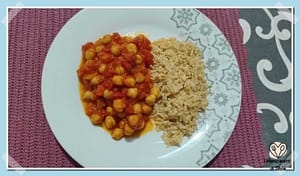
4. Peas with Scrambled Eggs
A simple but effective combination. Although it contains eggs, it remains a balanced and light recipe (only 2 eggs total for two people).
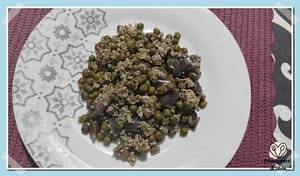
5. How to Cook Fava Beans
A handy guide and a basic recipe to enjoy fava beans simply, perfect to pair with a grain to create a complete meal.
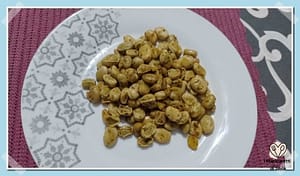
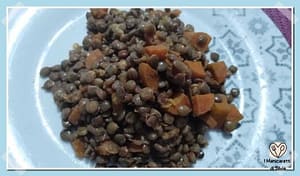
7. Canned Beans Sautéed with Herbs (No Tomato)
A perfect last-minute dinner idea using pantry staples. Quick, light, and full of flavor.

Why Choose Legumes for Light Recipes
Legumes are naturally low in fat, high in fiber, and an excellent source of plant-based protein. When cooked without excessive fats or heavy sauces, they form the base of light, satisfying, and nutritionally balanced meals. Here are a few reasons to include them in your light recipes:
-
Moderate glycemic index
-
High satiety power
-
Rich in iron, magnesium, and potassium
-
Support healthy digestion
-
Perfect for main dishes, side dishes, and soups.
Legume Recipes for Kids
Legumes are a valuable resource for children’s nutrition, thanks to their content of plant-based proteins, fiber, vitamins, and minerals essential for growth. However, to help kids enjoy these ingredients, it’s important to offer simple, tasty recipes suited to their palate. Dishes like lentil soups, bean patties, or peas with scrambled eggs—nutritious yet light—are great for introducing legumes naturally. Recipes should be colorful, with soft textures and mild flavors, avoiding strong spices or heavy seasonings. Gradually, you can increase variety and complexity, encouraging a healthy and balanced diet from an early age.
Quick and Easy Canned Bean Recipes
Canned beans are a great solution for anyone wanting to prepare nutritious meals without spending too much time in the kitchen. Perfect for light recipes, pre-cooked beans are ready to use and work well in many dishes. You can sauté them with a drizzle of extra virgin olive oil, garlic, and parsley for a simple, flavorful side dish, or add them to fresh salads for a light, complete lunch. They’re also ideal for soups and stews, where they combine nicely with vegetables and herbs. Learning to cook with canned beans well lets you enjoy the benefits of legumes easily, quickly, and without waste.
Legume and Vegetable Recipes: Nutritious and Light One-Pot Meals
An excellent way to prepare balanced and tasty meals is to combine legumes and vegetables in one-pot dishes, rich in fiber, protein, and vitamins. This combination provides a complete nutrient profile and great satiety—perfect for those who want to stay fit without sacrificing flavor. You can choose warm salads of borlotti beans with grilled zucchini, or hearty soups with lentils, carrots, and fresh tomatoes. Risottos with legumes and vegetables are another tasty option, as well as chickpea patties with spinach, ideal for a light lunch or dinner. These one-pot meals are versatile, easy to make, and perfect for the whole family.
Legumes and Vegetables: A Winning Combination
Recipes combining legumes and vegetables are ideal for those looking for light, digestible, and colorful dishes. Pairing legumes with vegetables:
-
improves nutrient absorption
-
promotes a feeling of fullness
-
makes the dish more nutritionally complete
Try combining:
-
chickpeas + zucchini
-
lentils + carrots and onions
-
beans + Swiss chard or spinach
-
peas + leeks.
Which Legumes to Choose for Light Recipes?
Dried Legumes
They require soaking and longer cooking times, but they’re the most budget-friendly option and give you full control over salt and added ingredients.
Canned Legumes
Perfect for quick and light recipes—just rinse them well to reduce excess sodium.
Fresh or Frozen Legumes
Great for soups, sides, and one-pot meals. They cook quickly and have excellent flavor and texture.
How to Cook Legumes to Keep Them Light
Prefer these cooking methods:
-
Boiling in water without sautéed bases
-
Cooking with herbs and just a little oil
-
Steaming fresh legumes (like fava beans or peas)
Avoid:
-
Frying
-
Excess oil or butter
-
Overcooking, which can cause legumes to fall apart and get mushy
Ideas for One-Bowl Meals with Legumes and Vegetables
Legumes are perfect for light, balanced meals when paired with whole grains or vegetables. Here are some tasty combos:
-
Chickpeas + couscous + zucchini
-
Lentils + brown rice + spinach
-
Beans + barley + kale
-
Peas + farro + cherry tomatoes
Quick & Easy Light Recipes with Canned Beans
Canned beans are great for making healthy meals in just a few minutes. Try these ideas:
-
White beans with fresh herbs
-
Cold salads with beans, cucumbers, and carrots
-
Creamy bean and leek soup
Seasonal Recipes with Legumes
Legumes are incredibly versatile and adapt well to seasonal cooking, letting you enjoy different flavors and textures all year round.
In summer, legume salads are fresh, nutritious, and light—perfect for quick lunches or outdoor dinners. Combine them with seasonal veggies, fresh herbs, and light dressings to create colorful, flavorful dishes. For inspiration, check out our article on summer legume recipes.
In fall, try warm, comforting combinations like stews with legumes and mushrooms, or creamy soups that blend the sweetness of autumn vegetables with the heartiness of beans and lentils.
In winter, soups and one-pot meals with legumes are both satisfying and energizing. Thanks to their high fiber and plant-based protein content, legumes help you stay nourished and balanced even during the colder months.
In spring, pair legumes with fresh seasonal vegetables like asparagus, artichokes, or peas to create light, delicate meals that celebrate the return of vibrant produce and warmer days.
Cooking with legumes throughout the seasons adds variety to your diet and helps you make the most of fresh, nutrient-rich ingredients in new and delicious ways.
Legumes: Nutritional Properties and Health Benefits
All legumes share a few key nutritional characteristics:
-
A great source of plant-based protein
-
High in dietary fiber
-
Rich in iron, potassium, magnesium, and zinc
-
Naturally cholesterol-free
-
Help regulate blood sugar levels
Nutritional Benefits of Legumes in Light Diets
Legumes are a true powerhouse for anyone looking to follow a light yet nourishing diet. Thanks to their high content of plant proteins, fiber, and essential micronutrients, they help you feel full for longer—without unnecessary calories. The fiber found in legumes supports digestion and promotes healthy bowel movements, contributing to an overall sense of lightness and well-being.
In addition, legumes have a low glycemic index, which means they release energy slowly and help avoid blood sugar spikes, keeping hunger at bay. They’re also a good source of B vitamins, iron, magnesium, and potassium—key nutrients for metabolism and general health.
Whether you’re trying to lose weight or just maintain a balanced lifestyle, incorporating legumes into light recipes adds a nutrient-dense, low-fat food to your meals. They’re perfect for vegetarian or vegan diets, but also ideal for anyone who wants to diversify their eating habits with healthy, satisfying dishes.
How to Choose and Store Legumes for Light Recipes
To get the most flavor and nutritional value from your light legume-based recipes, it’s essential to choose and store legumes properly.
Dried or Canned Legumes?
Dried legumes are often preferred by those who want a natural, preservative-free option. Before cooking, they need to be soaked for several hours (usually 8–12 hours), then boiled until tender. While this requires a bit more time, it results in richer flavor and a perfect texture.
Canned legumes, on the other hand, are a quick and practical solution—perfect for busy days or simple, light meals. When buying canned beans or chickpeas, look for unsalted, no-sugar-added versions. Always rinse them under cold running water to reduce sodium content and improve taste.
Legumes in Glass Jars
A great alternative to canned legumes is legumes preserved in glass jars, which I often use in my recipes. Thanks to a gentler preservation process and the absence of harsh additives, they tend to retain more flavor and better texture. Plus, glass is eco-friendly, fully recyclable, and free from chemicals that can leach into food—unlike some cans.
Legumes in jars typically contain fewer or no preservatives, making them ideal for anyone who wants a more wholesome product with the convenience of ready-to-use legumes. Another bonus? Once opened, they can be stored in the fridge for several days without compromising quality—just transfer them to an airtight container.
If you want to maintain a light and clean diet, choose jarred legumes with no added salt and rinse them just like canned ones. This way, you can enjoy the nutritional benefits of legumes in your light recipes with minimal prep, less waste, and a more sustainable approach.
Storage Tips
-
Dried legumes should be stored in airtight containers, away from light and moisture. This helps preserve their flavor and nutritional value for several months.
-
Cooked or canned legumes, once opened, should be transferred to a sealed container and kept in the refrigerator. Consume them within 2–3 days to prevent bacterial growth and maintain freshness.
Tips to Make Legumes Easier to Digest
Legumes are a valuable source of protein and fiber, but they can sometimes cause bloating or digestive discomfort. Here are some simple ways to prepare them for better digestibility:
-
Soak thoroughly: Soak dried legumes for at least 8–12 hours, changing the water at least once. This helps remove some of the compounds responsible for gas and bloating.
-
Use fresh cooking water: After soaking, discard the soaking water and cook the legumes in fresh water. This further reduces substances that may irritate the gut.
-
Add carminative spices: During cooking, add bay leaf, fennel seeds, cumin, or anise—all known for supporting digestion and reducing gas formation.
-
Cook slowly and thoroughly: Simmer legumes over low heat for a longer period to improve texture and digestibility.
-
Introduce gradually: If you’re not used to eating legumes, start with small portions and increase gradually to help your digestive system adjust.
By following these simple steps, you can enjoy light legume-based recipes with less discomfort—making the most of their amazing nutritional benefits.