Silvia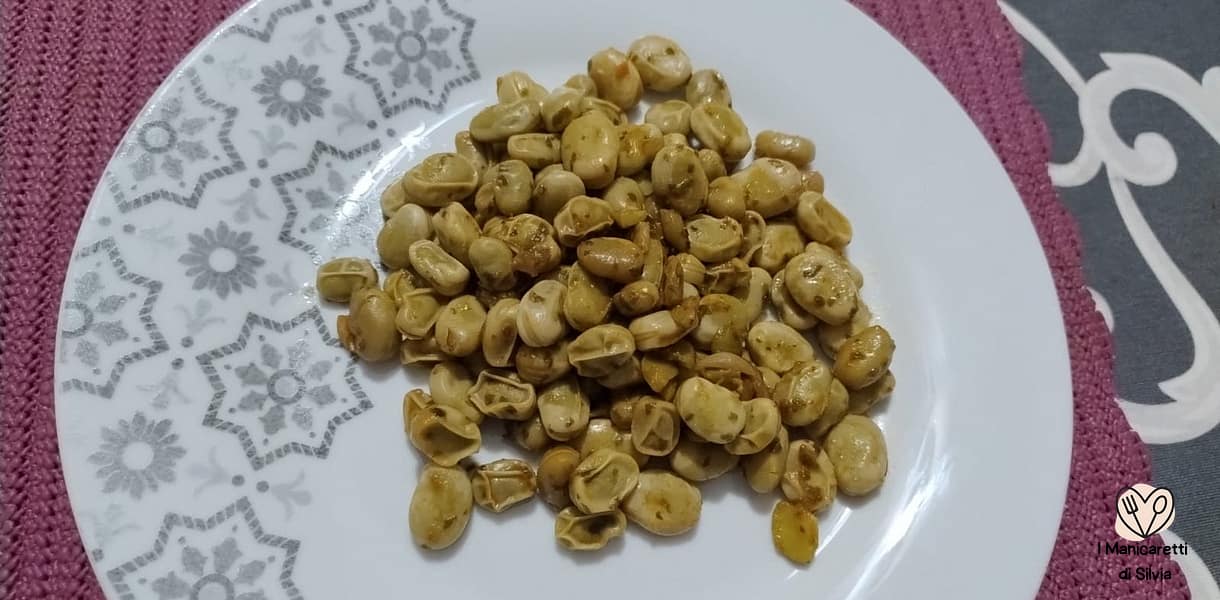
Fava beans: how to cook them to create tasty and nutritious dishes? Find out now!
These legumes are a versatile ingredient packed with beneficial properties, perfect for enriching soups, salads, and main dishes. But what’s the best way to cook them to enhance their flavor and texture? In this guide, you’ll discover all the preparation methods, from the simplest to the more elaborate, with helpful tips to make fava beans the star of your kitchen.
Frozen fava beans: how to cook them at their best
Frozen fava beans are a great alternative to fresh ones, as they allow you to enjoy them year-round without sacrificing their flavor and benefits. The preparation is simple and quick: no soaking required, just cook them directly in boiling salted water for about 5-7 minutes, or sauté them in a pan with a drizzle of oil and herbs for a tasty side dish. You can add them to soups, risottos, or purée them to make creamy soups and velvety blends with a delicate flavor.
Here’s my favorite recipe for a delicious side dish. Later, you’ll also find other preparation variations and the nutritional properties of the ingredients. Enjoy reading!
Fava beans: how to cook them – ingredients
Serves 2:
- 450 grams of frozen fava beans
- Parsley
- 2 teaspoons of vegetable bouillon granules
- 2 sun-dried tomatoes
- 1 garlic clove
- 1/4 onion
- Olive oil
- Tomato paste
- Water.
Fava beans: how to cook them – preparation
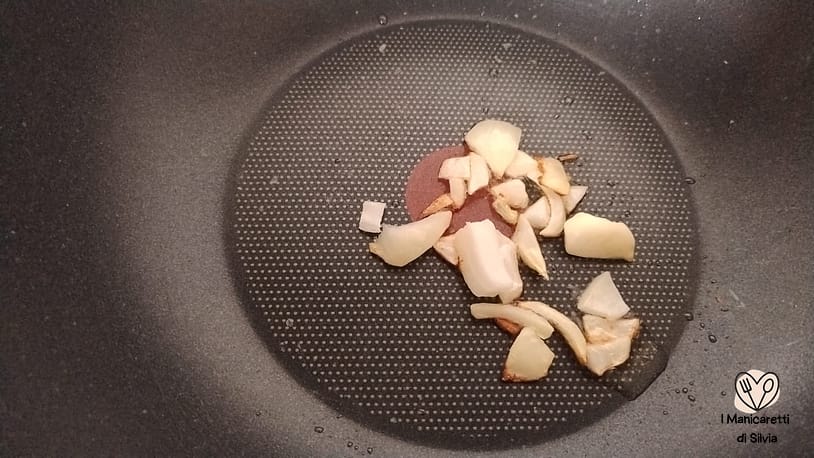
First, slice the onion, peel the garlic, and sauté them. Once they become golden, remove the garlic and add a glass of water to help soften the ingredients. While waiting, how about thinking about your main course? I suggest a pumpkin velouté without cream, light and perfect to pair with the hearty fava beans.
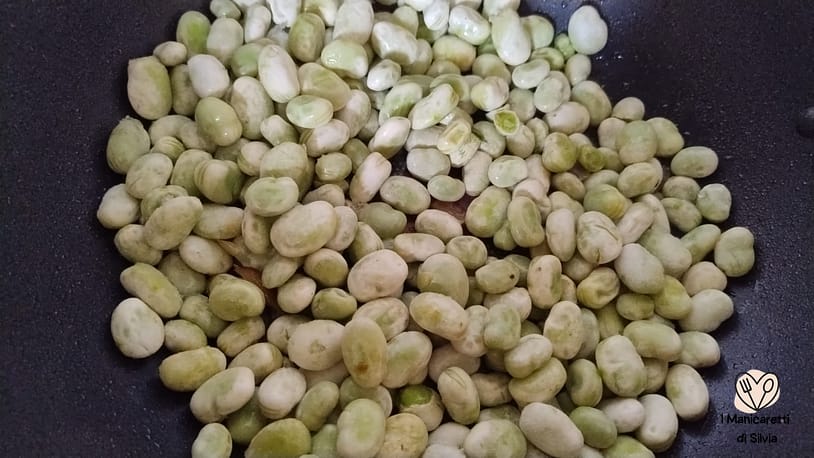
Now, add the fava beans.
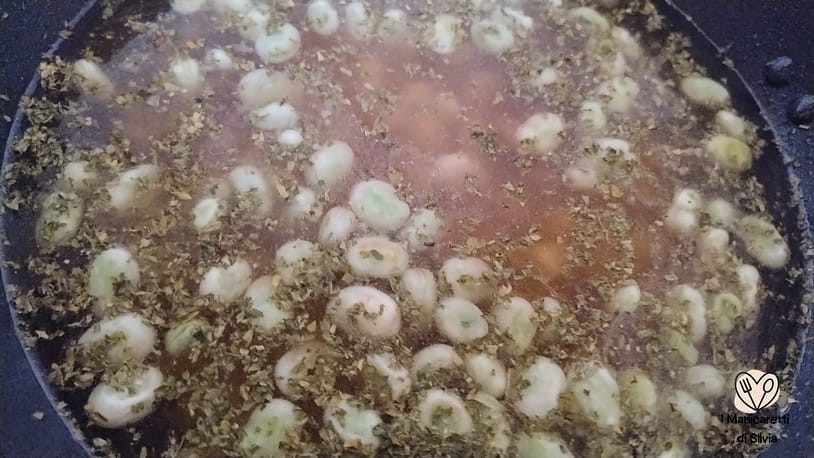
Add 1 liter of water, the bouillon, sun-dried tomatoes, a splash of tomato paste, a sprinkle of parsley (I use dried), cover, and let the water absorb. While waiting, you can prepare a side of tomatoes to absorb all the iron from the fava beans.
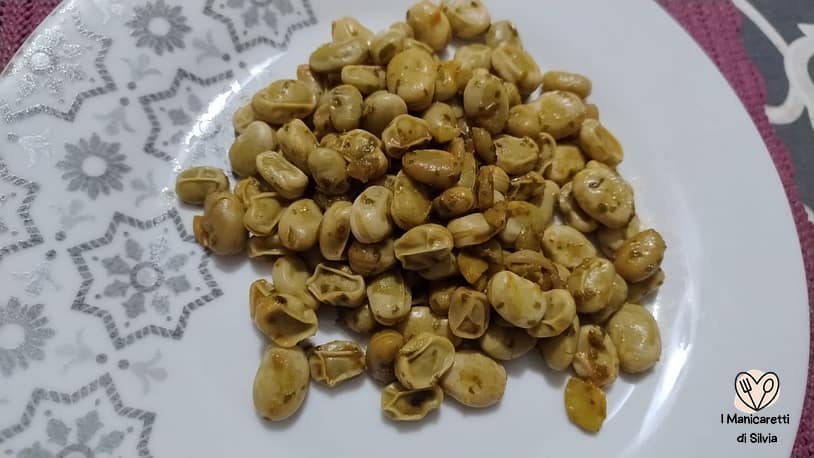
After about half an hour, it’s ready. Serve hot.
Fava beans recipe variations
Fava beans are perfect for many types of preparations, both fresh and dried. Here are some tasty variations to try.
1. Dried fava beans: how to cook them at their best
Dried fava beans need to be soaked for at least 12 hours before cooking. Once ready, you can cook them in salted water for about an hour, until they become soft. Here’s a method for cooking them:
- After soaking, drain and rinse the beans under running water.
- In a pot, sauté garlic and onion with a bit of oil.
- Add the fava beans and cover with water, letting them cook on low heat for about an hour.
- You can season with spices like chili, rosemary, or bay leaves.
Dried fava beans are perfect for soups and velvety purees, or simply dressed with extra virgin olive oil and lemon.
2. Fresh fava beans sautéed
Fresh fava beans, when available, are a great spring ingredient. To cook them in a pan, follow these steps:
- Shell the fava beans and blanch them for a few minutes in boiling water.
- In a pan, sauté garlic and onion with a bit of extra virgin olive oil.
- Add the drained fava beans and sauté for 5-7 minutes.
- For an extra touch, add cubes of plant-based bacon or some halved cherry tomatoes.
3. Pasta with fresh fava beans
A delicious and nutritious main course is pasta with fresh fava beans:
- Cook your preferred pasta and drain it al dente.
- Prepare a sauté of onion and garlic in a pan, add the fava beans and a ladle of cooking water.
- Toss the pasta in the pan with the fava beans and serve with a sprinkle of chili and fresh parsley.
This recipe is perfect for anyone looking for a simple yet flavorful dish.
4. Fava bean and potato velouté
Fava beans are great for making light and creamy veloutés. To make it:
- Cook the fava beans together with a diced potato in salted water.
- Blend everything with an immersion blender until you get a smooth cream.
- Add a drizzle of extra virgin olive oil and serve with whole-grain bread croutons.
Nutritional properties of fava beans and other ingredients
Fava beans are an incredibly nutritious and health-benefiting food. Let’s take a look at the properties of the key ingredients in the recipe.
Fava beans
- Rich in plant-based proteins, they are an excellent alternative to more common legumes.
- A good source of fiber, which aids digestion and regulates intestinal transit.
- Contain iron, making them useful for those following vegetarian or vegan diets.
Sun-dried tomatoes
- Packed with antioxidants such as lycopene, which helps protect cells from oxidative stress.
- A source of potassium and vitamin C, beneficial for immune system health.
Onion and garlic
- Known for their antibacterial and anti-inflammatory properties.
- Help regulate blood pressure due to their sulfur-containing compounds.
Parsley
- High in vitamins K and C, it promotes blood circulation and strengthens the immune system.
- Has a natural diuretic effect, helpful for those suffering from water retention.
Tips for cooking fava beans perfectly
- Remove the skin: If you prefer a softer texture, you can peel the fava beans after cooking.
- Soaking dried fava beans: Don’t skip this step to ensure even cooking.
- Use aromatic herbs: Rosemary, bay leaves, and mint pair perfectly with the flavor of fava beans.
- Add a source of vitamin C: Consuming fava beans with tomatoes or lemon juice helps enhance the absorption of plant-based iron.
Fava beans: how to cook them – conclusion
Fava beans are a versatile ingredient, perfect for many preparations, from soups and salads to pasta dishes and velvety purees. Knowing the right methods to cook them will allow you to enjoy them at their best, bringing out their flavor and nutritional benefits. Whether you choose fresh, dried, or frozen fava beans, you will surely find the perfect recipe for your needs!