Silvia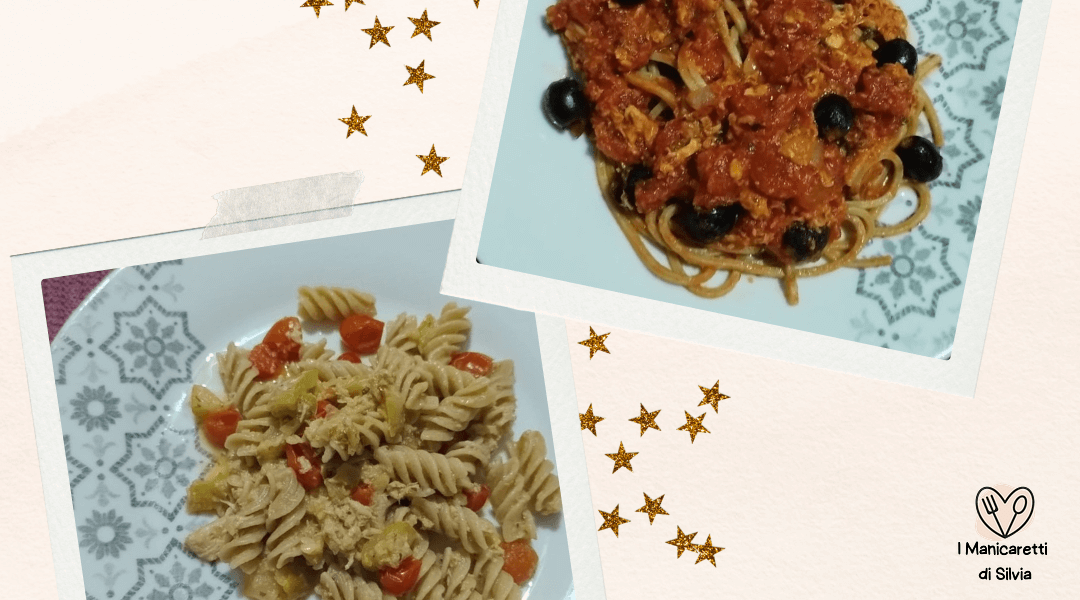
Tuna Pasta: Discover a Classic First Course with a Fresh Twist!
Tuna Pasta with a Twist: Discover the Surprising Vegan Version
Tuna pasta is one of those recipes almost everyone has made at least once—quick, flavorful, and perfect when you’re short on time or just craving something simple. But if you follow a vegetarian lifestyle or simply want to cut back on fish, that doesn’t mean you have to give up this beloved dish. Today, vegan tuna exists—and it’s perfect for creating a cruelty-free and surprisingly delicious version of the classic tuna pasta.
In this article, I’ll guide you through the world of vegan tuna pasta, with plenty of variations, tips on choosing the right ingredients, and all the answers you need if you’re thinking about trying—or serving—this plant-based take on a timeless favorite.
Why Choose Vegan Tuna?
Vegan tuna is a plant-based alternative to traditional tuna, made from ingredients like legumes (especially chickpeas), soy, seeds, and natural flavorings that mimic the texture and taste of fish. It’s not just a “substitute,” but a complete, flavorful, and sustainable food—perfect even for those who’ve never tried vegan products before.
Here are the main benefits:
-
Lighter and easier to digest
-
Sustainable: no impact on marine life
-
Ethical: no animals harmed or exploited
-
High in protein and satisfying, ideal for a balanced diet
-
Versatile, just like classic tuna—perfect for countless variations
Which Pasta Shapes Work Best for Vegan Tuna Pasta?
Pretty much all of them! Vegan tuna pasta is incredibly versatile. Here are some great options:
-
Spaghetti – A classic choice, perfect for smooth sauces.
-
Penne rigate – Great for holding onto chunky or creamy sauces.
-
Fusilli – Ideal when you’re adding veggies or thicker sauces.
-
Linguine or bavette – Excellent with lighter, tomato-based sauces.
-
Whole wheat or legume-based pasta – Adds extra protein and makes the dish even more nourishing.
Vegan Pasta with “Tuna”: Variations to Try
One of the best things about vegan tuna pasta is how endlessly adaptable it is—just like the traditional version. Here are some of the most popular variations:
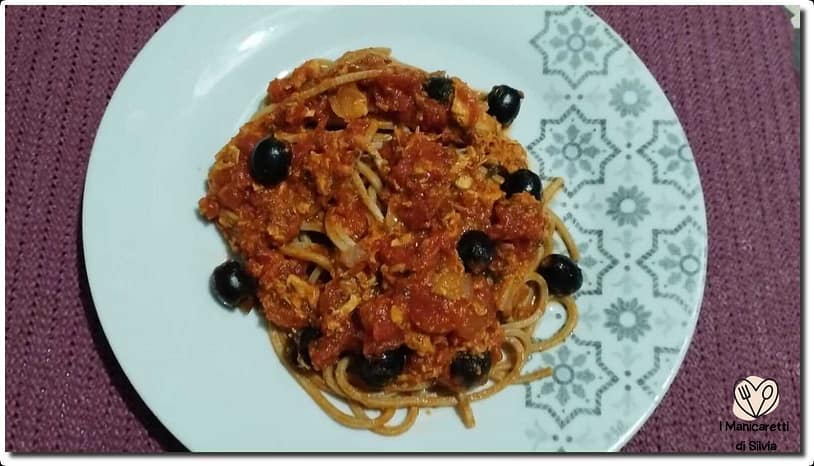
Vegan Tuna and Tomato Pasta
The most classic option, made with chopped tomatoes or passata. It’s even better with black olives and capers.
I’ve gone into more detail in the article: “Pasta with Canned Tuna Made Tasty: Discover an Irresistible Vegan Recipe.”
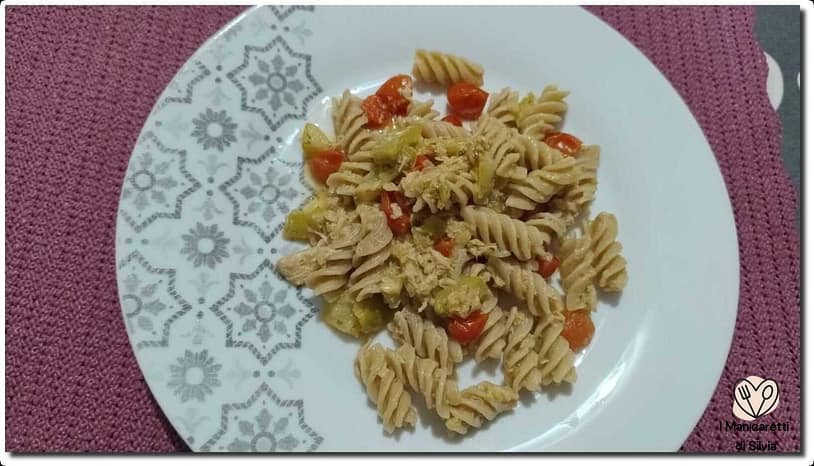
Vegan Tuna and Zucchini Pasta
Zucchini, plant-based tuna, a drizzle of olive oil, and a few fresh cherry tomatoes.
I also talk about this version in my article: “Zucchini and Tuna Pasta: The Quick Dish Everyone Loves.”
Vegan White “Tuna” Pasta
Just vegan tuna, onion, extra virgin olive oil, and a splash of pasta cooking water: you’ll get a flavorful and light cream, perfect for spaghetti or linguine. You can also sprinkle some nutritional yeast directly on the plate—don’t cook it, to preserve its nutrients.
Vegan “Tuna” and Bell Pepper Pasta
Colorful, summery, and flavorful. Roasted bell peppers pair beautifully with plant-based tuna. Also great with green olives and fresh parsley.
Cold Vegan “Tuna” Pasta Salad
Perfect for summer: add corn, peas, cherry tomatoes, cucumbers, or avocado. A complete and light dish you can prepare in advance.
Sicilian-Style Vegan “Tuna” Spaghetti
One of the tastiest ways to enjoy vegan tuna pasta is by taking inspiration from Sicilian tradition: tomato, black olives, capers, garlic, parsley, and a pinch of chili. The original recipe calls for canned tuna, but it can be easily replaced with store-bought or homemade vegan tuna.
To make it even more authentic, toast breadcrumbs in a pan with a little olive oil and use them as a crunchy topping. Known as the “poor man’s cheese” in Sicilian cuisine, it adds depth and texture—even to the vegan version.
The result? A rustic, flavorful dish full of contrast. Even the skeptics won’t miss the fish.
Tasty Ideas: How to Enhance Your Vegan Tuna Pasta
-
Fresh herbs: basil, parsley, mint, or chives.
-
Nuts: chopped walnuts, almonds, toasted pine nuts.
-
Spices: smoked paprika, turmeric, chili flakes.
-
Lemon zest: for a fresh touch.
-
Toasted breadcrumbs: for a crunchy finishing note.
How to Make Good Homemade Vegan Tuna
You can easily prepare vegan tuna at home with simple, quick ingredients.
Ingredients for 2 servings:
-
5.3 oz cooked chickpeas (about 3/4 cup)
-
1 sheet of nori seaweed, finely chopped
-
1 tablespoon lemon juice
-
1 teaspoon mustard
-
2 tablespoons extra virgin olive oil
-
1 teaspoon soy sauce or tamari
-
¼ teaspoon onion powder
-
¼ teaspoon garlic powder
-
Black pepper to taste
Blend everything until you get a crumbly texture similar to tuna. Store in an airtight container in the fridge for 3-4 days.
Canned Vegan Tuna: How to Choose the Best
You can find various canned vegan tuna options in health food stores, online, and increasingly in many supermarkets. These products are often made from soy or jackfruit. Some Italian and international brands offer versions packed in extra virgin olive oil or natural brine.
When choosing:
-
Make sure it’s 100% plant-based
-
Check the ingredient list (no added sugars, minimal preservatives)
-
Try the ones in extra virgin olive oil for a richer flavor
That Childhood Flavor We Can Reinvent
For many people born between the ’80s and 2000s, pasta with tuna is a taste of home. It was quick, affordable, and “safe.” A dish that reminded us of seaside holidays, last-minute dinners, and lazy Sundays with family.
And that’s the power of food: it tells stories, keeps memories alive, and shapes our identity.
But growing up also means learning to make new choices. Rediscovering those flavors with fresh eyes—staying true to the emotions, but with a new awareness: the ability to cook with respect for life, for the planet, and for ourselves.
The vegan version of pasta with tuna is not a “substitute”—it’s a creative act. It’s the expression of a mature love for food, one that embraces who we have become today.
My Experience with Vegan “Tuna”
When I became vegetarian many years ago, I used to make my own “tuna” at home: chickpeas, black olives, and a bit of mayonnaise. I blended everything until it became a thick cream, perfect for filling sandwiches and wraps. It was simple and really tasty!
Then I went through a phase where I used only hijiki or arame seaweed to create vegan seafood-style pasta dishes. I loved them for that intense, natural sea aroma they give. Even today, I still keep them in my pantry—they’re a staple because I like to vary my ingredients.
Now, I prefer to focus on convenience: I use ready-made vegan “tuna.” It’s practical and delicious.
Frequently Asked Questions About Vegan Tuna Pasta
Can I use whole wheat or gluten-free pasta?
Absolutely! Any type of pasta works well with this sauce. Using whole wheat pasta adds more fiber and provides a slower glycemic release.
How do I store vegan “tuna” pasta?
You can keep it in the fridge for up to 2 days in an airtight container. If preparing in advance, save a little pasta cooking water to loosen it up before reheating.
Does it really taste like tuna?
Many people are surprised by how similar it tastes! The combination of nori seaweed, capers, nutritional yeast, and olives creates a rich, savory, “sea-like” flavor—without any fish.
Can it be made without tofu?
Yes! Many use crumbled or marinated tofu as a base for homemade vegan “tuna.” It’s a great protein-rich option that’s easy to find, though it changes the texture and taste slightly. Instead of tofu, you can use crumbled tempeh, mashed legumes (like chickpeas as I suggested), or just seaweed with capers and olives for a lighter version.
Can I use store-bought vegan tuna?
Definitely! It’s a practical and tasty alternative. I use Garden Gourmet’s Vuna, which is widely available in supermarkets. It’s made from pea and wheat proteins, with simple ingredients like water, rapeseed oil, and citrus fiber. It has a savory flavor and a texture very similar to tuna.
Why exclude fish from your diet too?
Many people transitioning to a plant-based diet start by cutting out meat and dairy but still eat fish. However, fish are animals too, and consuming them raises ethical and health concerns.
Nutritionally, the main nutrients fish provide — protein and iron — are abundantly available in a well-planned vegan diet. Moreover, fish contains saturated fats and cholesterol, just like meat, both known to increase cardiovascular risk.
But there’s more: excess animal protein, including heme iron (from animal sources), has been linked to a higher incidence of cancer and inflammatory diseases.
Additionally, fish is among the most contaminated foods today. Mercury, dioxins, and polychlorinated biphenyls (PCBs) are just some of the toxic substances found in fish tissue, especially in predatory species like tuna that sit at the top of the food chain. These compounds are carcinogenic, neurotoxic, and particularly dangerous for pregnant women and children. Eating fish is no longer synonymous with healthy eating and may pose an underestimated risk.
The Invisible Suffering of Fish
Fish are often left out of the conversation about animal suffering, as if they were less sentient beings. In reality, numerous studies show that fish experience pain, stress, and fear. They’re caught using cruel methods — like trawling nets or longlines — and often die slowly from asphyxiation out of water, or are gutted while still alive.
Industrial fishing is one of the main causes of marine ecosystem destruction, killing billions of animals each year in an invisible and systematic way.
It also leads to bycatch — the unintentional capture of dolphins, sea turtles, and seabirds — causing irreversible damage to ocean biodiversity.
Choosing vegan tuna means making an ethical, sustainable, and compassionate choice — without giving up on flavor.
The Omega-3 Myth in Fish
One of the most common reasons people justify eating fish is the presence of omega-3 fatty acids, known for their positive effects on heart and brain health. But is eating fish really necessary to get them?
Several scientific studies have questioned the supposed protective effects of fish on cardiovascular health. Early research suggested some benefits, but more recent analyses have found no significant correlation between fish oil consumption and reduced heart disease risk. In fact, marine-sourced omega-3s come along with cholesterol and saturated fats, which can counteract any potential advantages.
It’s also important to remember that fish don’t produce omega-3s — they get them from microalgae. Today, you can find 100% plant-based omega-3 supplements made directly from algae, skipping the fish entirely.
Dr. Dean Ornish, well-known for developing a dietary protocol proven to reverse heart disease without medication, recommends a low-fat, mostly vegan diet — with no fish or meat.
Top Plant-Based Sources of Omega-3s
The good news is that omega-3s are also easy to find in the plant world, in the form of ALA (alpha-linolenic acid), which our bodies can convert (in limited amounts) into the active forms EPA and DHA.
Here are the main sources:
-
Flaxseeds: freshly ground or as cold-pressed oil (important to keep it refrigerated to preserve omega-3s).
-
Walnuts: a healthy snack packed with essential fatty acids.
-
Chia seeds: perfect in puddings, smoothies, or added to plant-based yogurt.
-
Hemp seeds: shelled hemp seeds offer a great omega-6 to omega-3 ratio.
-
Perilla oil and flaxseed oil: both are rich in ALA and great for dressings or cold use.
For those looking for a direct source of EPA and DHA, vegan algae-based supplements are now widely available. They’re effective, ocean-friendly, and free from marine toxins. You can find them in health food stores or online.
Pasta and Tuna: A Classic to Rethink
In conclusion, pasta with tuna is not just a traditional dish—it can also become a conscious, light, and sustainable choice thanks to plant-based alternatives. Vegan cooking doesn’t mean giving things up; it encourages rediscovering familiar recipes with fresh eyes.
Feeling curious to try it? Start with your favorite combination, experiment with spices, and you’ll see—the result will surprise you.