Silvia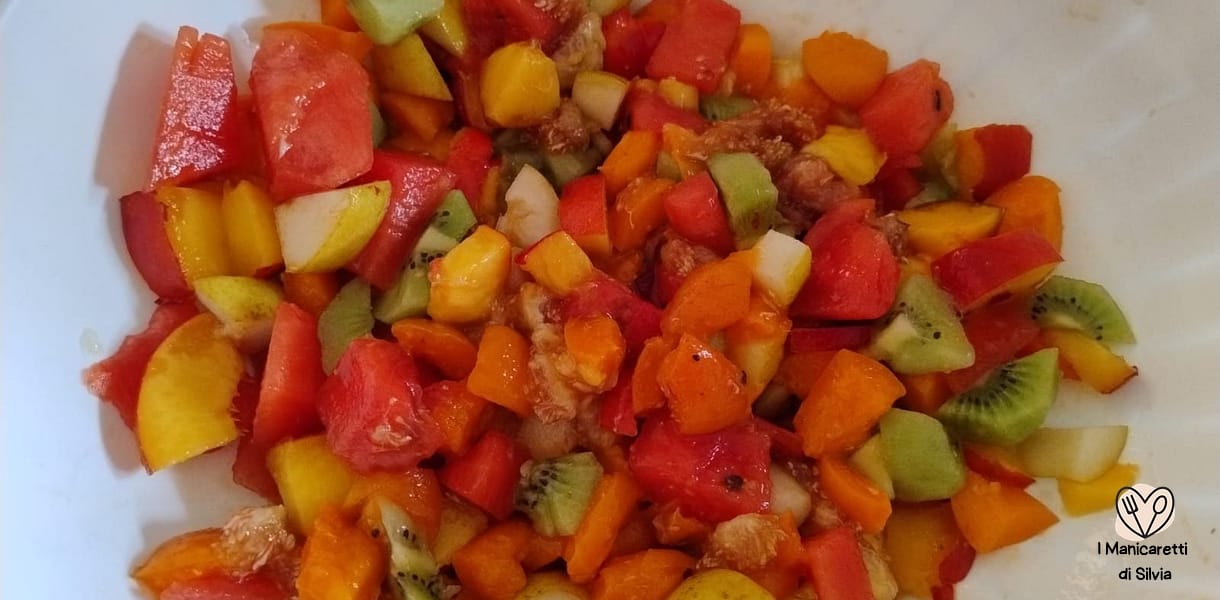
How to Dress Fruit Salad Simply, Quickly, and Without Overpowering Its Natural Flavors.
In this article, I’ll share what I do every time I make a fruit salad: a few simple rules, plenty of freedom, and a touch of flavor that makes all the difference.
You don’t need anything fancy — just a few small tricks to highlight fresh fruit and help keep it fresh longer. I’ll tell you what I use and give you some extra ideas if you want to mix it up.
Fruit Salads: How to Prepare and Dress Them to Perfection
Fruit salads are among the simplest and most versatile desserts, perfect for any season and occasion. In this article, we’ll explore how to choose the best fruit, which natural dressings enhance the flavors, and how to store them without browning. From the classic lemon version to more original ideas, you’ll find helpful tips to make every fruit salad fresh, light, and always different.
How to Dress a Fruit Salad: Ingredients (for 2 people)
-
14 oz (about 1 3/4 cups) watermelon
-
7 oz (about 1 cup) nectarines
-
7 oz (about 1 cup) apricots
-
2 kiwis
-
3.5 oz (about 1/2 cup) figs
-
3.5 oz (about 1/2 cup) pears
-
Juice of half a lemon.
How to Dress Fruit Salad: Preparation
Preparing it is super simple. Slice the fruit, put it in a large salad bowl, and then squeeze half a lemon over it. Mix well and it’s ready to serve. I used some pretty glass bowls myself.
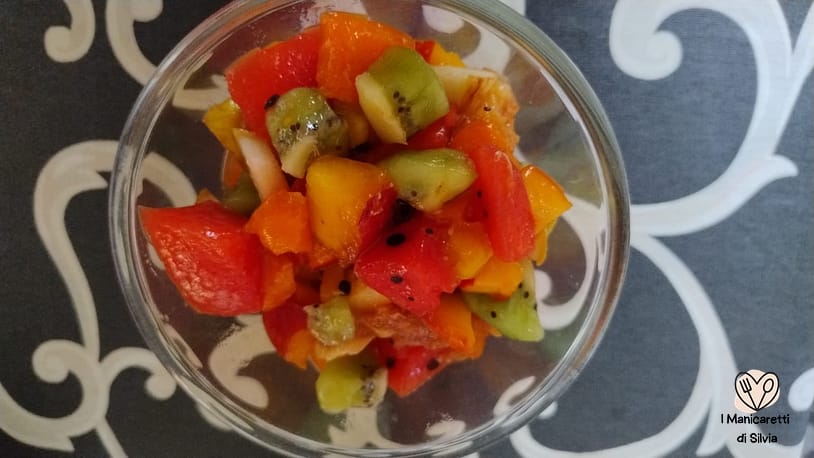
I like it this way, with nothing else added, because the fruit is already naturally sweet, so I don’t add sugar. The lemon, however, is essential: it keeps the fruit looking fresh and prevents browning. Plus, it tastes delicious!
You can always vary it based on the fruit you have at home and the season. The combinations are endless and always delicious.
Secrets for a Great Fruit Salad
A well-made fruit salad starts with choosing the right ingredients. The fruit should be perfectly ripe—not too unripe and not overripe. Balancing sweet and tart flavors is important: for example, if you use very sweet fruits like figs, bananas, or grapes, pair them with fresher fruits like oranges, strawberries, or kiwi.
The way you cut the fruit makes a difference: try to cut pieces roughly the same size to ensure even flavor and texture. Firmer fruits like apples and pears can be sliced thinner to make them easier and more pleasant to bite into.
Finally, don’t prepare it too far in advance: the ideal time is about a couple of hours before serving. This lets the dressing work its magic without the fruit losing its firmness.
Ideas for Dressing Your Fruit Salad
Besides lemon, you can also use:
-
Orange juice: sweet and mild, perfect for winter fruit salads
-
Fresh grated ginger: a spicy touch that pairs well with mango, apples, pears, and berries
-
Fresh mint: refreshing, ideal in summer with watermelon and melon
-
Balsamic vinegar: just a little, only on specific combos like strawberries and peaches
-
Nuts: sliced almonds, chopped pistachios, or walnuts to add crunch
And if you wonder about adding liquor to your fruit salad, you can skip it for a non-alcoholic version. But if you like, add a teaspoon of maraschino or limoncello. Personally, I prefer to avoid alcohol so it’s suitable for everyone—kids and adults alike.
Fruit Salad with Vegan Whipped Cream
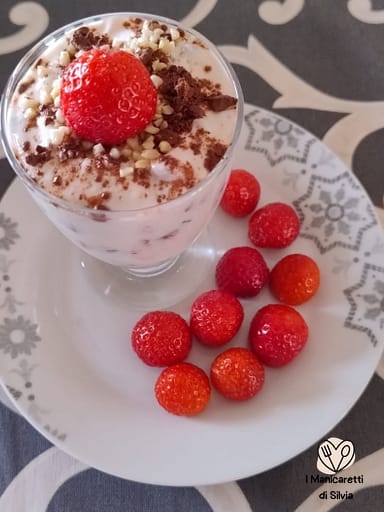
For a creamier and more indulgent fruit salad, you can add whipped vegan cream (made from soy, coconut, or oat). It’s a great alternative for those who want a richer dessert without losing lightness. You can also add a pinch of vanilla or a teaspoon of powdered sugar to make it sweeter and more fragrant. This variation is perfect as a dessert for guests or special occasions.
Fruit Salad with Nuts
As mentioned earlier, adding nuts like sliced almonds, walnuts, hazelnuts, or sunflower seeds gives a crunchy touch and boosts the nutritional value of the fruit salad. Almonds, in particular, provide healthy fats and a delicate flavor that pairs well with almost all types of fruit. You can also add some chia or flax seeds for an even more nutritious salad.
A Flavor Boost with Unsweetened Cocoa Powder
If you like experimenting, a sprinkle of unsweetened cocoa powder on top transforms the fruit salad into an original and pleasant dessert, especially when paired with vegan whipped cream. The unsweetened cocoa doesn’t overpower the fruit’s flavor but enhances it with a slightly bitter and aromatic note.
Winter Fruit Salad: How to Make It
Fruit salad is delicious even in winter — in fact, I prepare it all year round. Just use:
-
Apples
-
Pears
-
Oranges
-
Kiwi
-
Pomegranate
-
Grapes (when they’re still in season).
Dress it with lemon or orange juice and, if you like, add a pinch of cinnamon or some organic citrus zest.
Summer Fruit Salad: Winning Combinations
In summer, fruit is abundant and the combinations are endless. Here are some examples:
-
Watermelon, melon, blueberries, and mint
-
Peaches, apricots, figs, and lemon
-
Mango, pineapple, strawberries, and lime
All of these recipes are easy, fresh, and ready in just a few minutes.
How to Store Fruit Salad
If you have leftovers or want to prepare it in advance, you can keep the fruit salad in the fridge in an airtight container. It’s best to consume it within 24 hours. To prevent browning, as we’ve seen, it’s important to add lemon or orange juice.
If you’re making a fresh fruit salad for several days, you can also add only part of the dressing and then add the rest just before serving.
Want to save even more time? Ready-made vegan options are available
If you’re in a hurry, there are pre-cut and mixed fruit salads available in stores, ideal to keep in the fridge for quick snacks or desserts. I don’t buy them myself, but they’re useful for those on the go who still want to maintain a healthy diet.
In conclusion, fruit salad is a simple recipe that lends itself to many variations. You can adapt it to any season, occasion, or diet. Just add a touch of creativity, fresh ingredients, and a balanced dressing to create a light, healthy, and delicious dessert.
Whether it’s summer fruit salad or winter fruit salad, it’s always the right time to enjoy it!
Speaking of desserts, how about trying a delicious berry cheesecake?