Silvia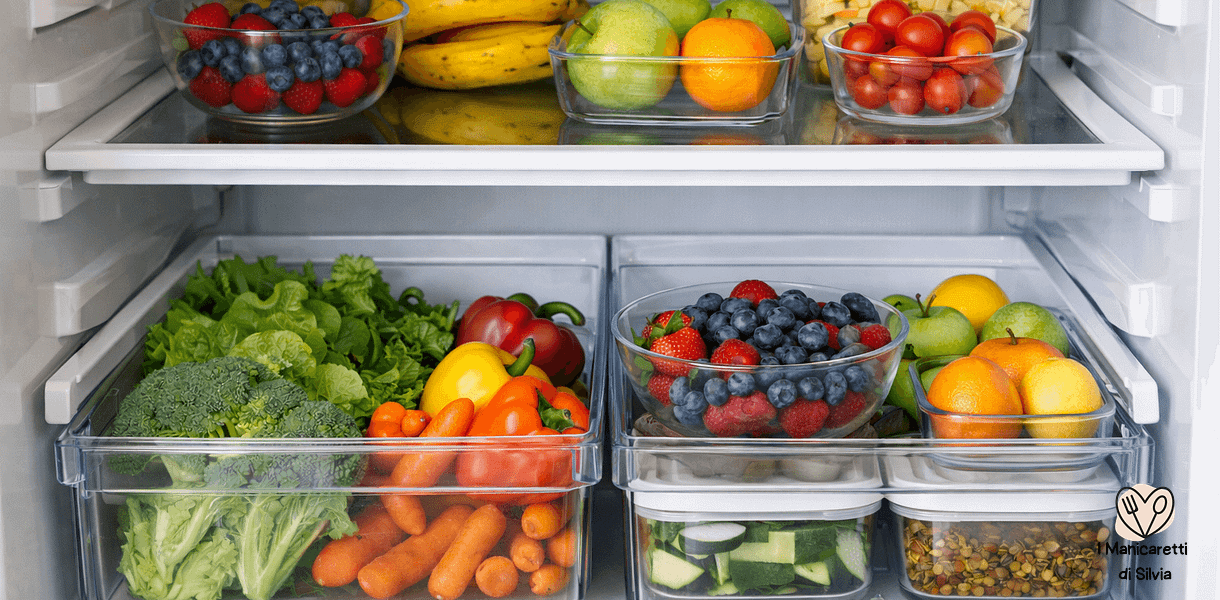
Knowing how to store fruits and vegetables in the refrigerator properly is essential to avoid food waste.
And not only that: it also helps preserve flavor and keeps your kitchen better organized.
Very often we put everything in the fridge without thinking too much about it, but each food has different needs. Some are sensitive to humidity, others don’t tolerate cold temperatures well, and some should be kept separate from certain products. Understanding how to store fruit and vegetables in the fridge correctly means making them last longer while preserving their texture and nutritional value.
In this guide, you’ll find practical information about:
-
storing vegetables in the fridge
-
whether fruit should be kept in the fridge or at room temperature
-
storing vegetables in the fridge with or without plastic bags
-
how to store cut vegetables in the refrigerator
-
how long cooked vegetables last in the fridge
A complete guide designed for everyday cooking — practical, clear and without unnecessary complications.
How to Store Fruits and Vegetables in the Fridge Properly
When it comes to how to store fruits and vegetables in the fridge, the first thing to understand is that they should not be treated the same way.
A refrigerator has different temperature zones and humidity levels. The lower drawers are specifically designed for fruits and vegetables, but even there it’s important to distinguish between more delicate produce and those that are more resilient.
How to Store Fruits and Vegetables in the Refrigerator: Keep Them Separate
Many fruits (such as apples, pears, and bananas) produce ethylene, a natural substance that speeds up ripening. If placed next to vegetables, they can cause them to spoil more quickly.
For this reason, it’s advisable to:
-
store fruit in a separate drawer
-
avoid overcrowding produce
-
avoid tightly sealed plastic bags unless necessary.
How to Store Fruits and Vegetables in the Refrigerator: Pay Attention to Humidity Levels
Vegetables need a slightly humid environment, but too much moisture encourages mold and spoilage.
To improve the storage of vegetables in the fridge, you can:
-
place a sheet of paper towel inside the container
-
use breathable containers
-
avoid washing vegetables before storing them (it’s better to wash them right before use).
Vegetables in the Fridge: With or Without a Bag?
One of the most common questions is: should vegetables be stored in the fridge with or without a bag?
The answer depends on the type of vegetable.
With a Bag
It’s better to use a bag (preferably reusable or slightly open) for:
-
lettuce
-
spinach
-
arugula
-
fresh herbs
In this case, it’s helpful to place a sheet of paper towel inside to prevent condensation.
Without a Bag
It’s better to store without a bag for:
-
zucchini
-
bell peppers
-
eggplants
-
carrots
However, if you have a No Frost refrigerator, the air is drier. In that case, using a breathable container can help prevent vegetables from drying out too quickly.
How to Store Cut Vegetables in the Fridge
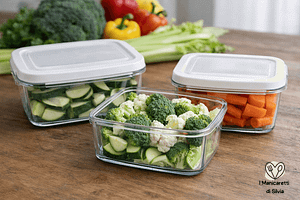
Cut vegetables require extra care when stored in the fridge, because exposure to oxygen speeds up spoilage.
To store them properly:
-
place them in an airtight container
-
dry them well before sealing
-
consume them within 1–2 days
Cut zucchini, carrots, bell peppers, and celery can last up to 48 hours if stored correctly.
Pre-washed and pre-cut salads, on the other hand, tend to spoil more quickly.
How Long Do Cooked Vegetables Last in the Fridge? Summary Table
| Type of Food | Average Shelf Life in the Fridge |
|---|---|
| Boiled or steamed vegetables | 2–3 days |
| Sautéed vegetables | 2–3 days |
| Oven-roasted vegetables | Up to 3 days |
| Soups and vegetable stews | 2–3 days |
| Cooked legumes (lentils, chickpeas) | 3–4 days |
| Grilled vegetables | 2–3 days |
| Vegetables with tomato sauce | 2–3 days |
These times may vary slightly depending on your refrigerator temperature and the type of container used. If you notice any unusual smell or change in texture, it’s always better not to consume the food.
For storing cooked vegetables in the fridge, it’s important to use high-quality, well-sealed containers that help maintain moisture and freshness for longer.
Storing Vegetables in a No Frost Fridge
No Frost refrigerators have a clear advantage: no frost buildup. But they also have a side effect: the air is drier.
This means vegetables can dehydrate more quickly.
To improve vegetable storage in a No Frost fridge:
-
use breathable containers
-
avoid leaving vegetables completely uncovered
-
place a sheet of paper towel inside to regulate humidity
-
avoid opening the drawer too often
If you notice that lettuce and spinach wilt quickly, the environment may be too dry.
How to Store Fruit and Vegetables in the Fridge: Common Mistakes
Even though it may seem simple, there are common mistakes that shorten the shelf life of food:
-
washing everything before storing it in the fridge
-
sealing vegetables airtight while they are still damp
-
mixing fruit and vegetables in the same drawer
-
forgetting the preparation date of cooked vegetables
Avoiding these mistakes helps reduce waste and keeps food fresh for longer.
How to Store Fruit and Vegetables in the Fridge: Smart Organization
Good organization is just as important as proper storage rules.
To improve food shelf life:
-
dedicate one drawer only to vegetables
-
separate ethylene-producing fruit
-
use transparent containers so you can immediately see what you have
-
avoid overcrowding the shelves
-
add labels with the date for cooked vegetables
An organized refrigerator makes it easier to monitor storage times and conditions, reducing waste and spoilage.
To store fruit and vegetables better, you can use airtight glass or BPA-free plastic containers, which are also useful for cooked vegetables. If you have a No Frost fridge, breathable reusable bags can help prevent overly dry air from damaging lettuce and spinach.
How to Store Fruit and Vegetables in the Fridge: Useful Tools
To improve fruit and vegetable storage in the refrigerator, some simple but effective tools can help:
-
Airtight glass or BPA-free plastic containers, ideal for cooked vegetables and pre-cut vegetables
-
Breathable reusable bags, perfect for lettuce, spinach, and leafy greens
-
Refrigerator drawer organizers, useful for separating fruit and vegetables and keeping things tidy
-
Food labels, to mark the date and always know how long cooked vegetables last in the fridge
Organizing your refrigerator properly is one of the simplest ways to eat better every day without wasting food.
How to Store Fruit and Vegetables in the Fridge: Conclusion
Knowing how to store fruit and vegetables in the fridge properly helps you reduce waste, keep food fresh for longer, and better organize your everyday kitchen.
Not all foods have the same needs: some vegetables are sensitive to humidity, others dry out easily, while certain fruits ripen better outside the fridge. With small adjustments — such as separating fruit and vegetables, using suitable containers, and respecting storage times — you can extend the shelf life of your food without complicating your routine.
Good refrigerator organization is a simple habit, but it truly makes a difference: less waste, more order, and a more mindful kitchen.