Silvia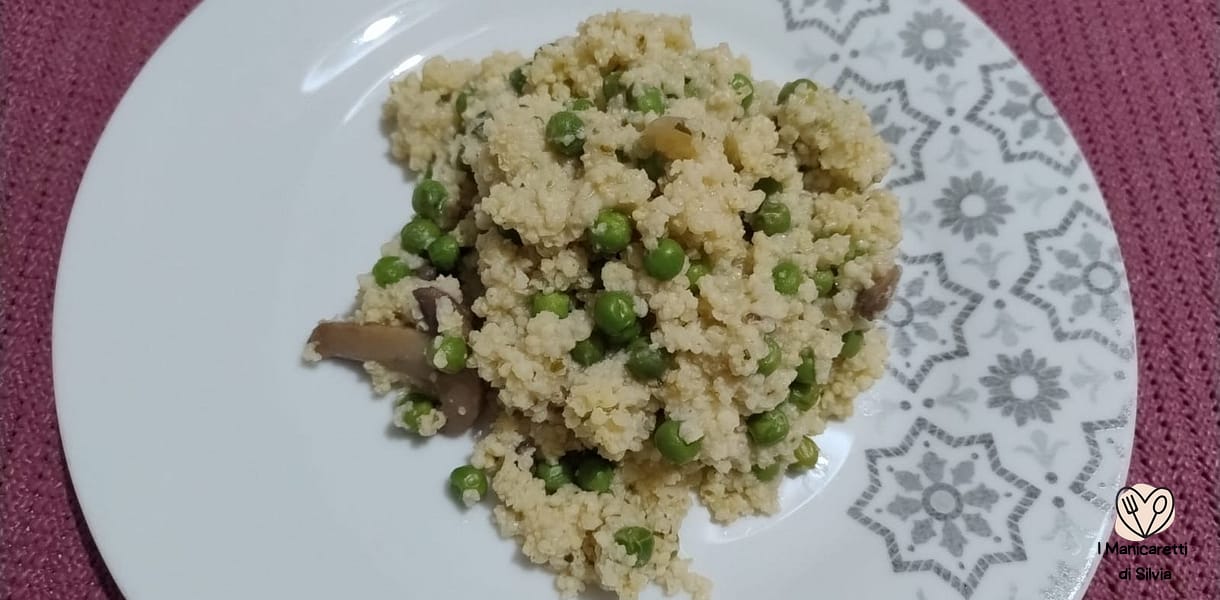
Wondering “How to Eat Millet”? Here’s the Answer!
This versatile and nutritious grain is easy to incorporate into your daily diet. Today, I’m sharing a simple and delicious recipe for a main dish that combines the delicate flavor of millet with fresh and tasty ingredients. Perfect for those looking for a light yet nutrient-rich alternative, this dish will surprise you with its great taste and ease of preparation!
Millet: Recipe for a Main Course and Its Variations
Soon, I’ll explain how to cook millet. Not only will I share a recipe for a delicious main course, but I’ll also offer some alternatives to diversify your daily diet. We’ll also take a look at the nutritional properties of the ingredients. Enjoy your reading!
History and Origins of Millet
Millet is one of the oldest grains known to humanity, dating back over 4,000 years. Originally from Asia and Africa, it has been cultivated in these regions for its resilience to harsh climates and its ability to thrive in poor soils. Throughout history, this grain has been a vital resource for many civilizations, from China to Europe, eventually becoming a staple food in various culinary traditions.
Now, let’s get to the recipe!
How to Eat Millet: Ingredients
Serves 2:
- 4.2 oz (120 g) peas
- 4.2 oz (120 g) champignon mushrooms
- 4.2 oz (120 g) hulled millet
- Parsley
- Vegetable bouillon granules
- Oil
- 1/4 onion
- Water.
How to Eat Millet: Preparation
The process is very simple because we will cook it like a risotto.
First, sauté the onion in a tablespoon of oil. Once golden, add a cup of water to soften it. Meanwhile, rinse the millet—using a strainer helps prevent it from falling through.
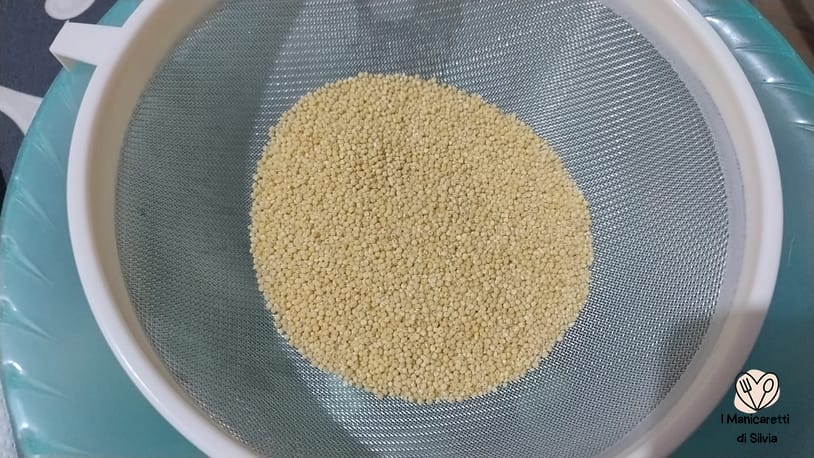
Now, add the peas and mushrooms (I use frozen ones) along with a sprinkle of dried parsley.
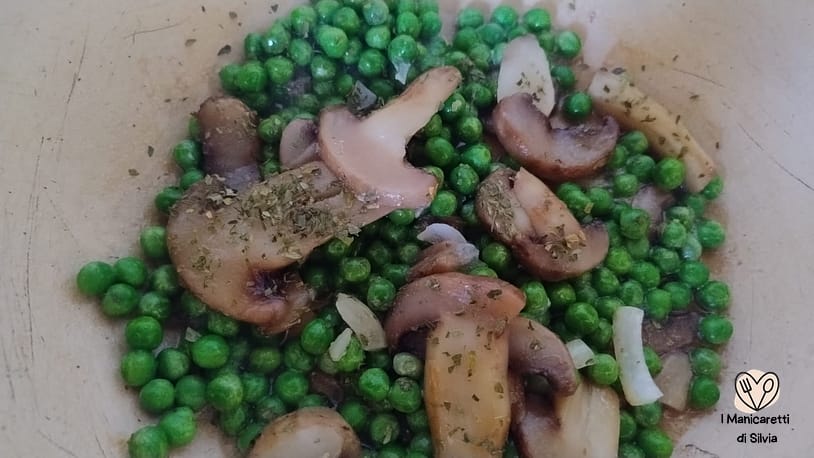
Pour in 2 cups (17 fl oz / 500 ml) of water, add two teaspoons of vegetable bouillon granules, cover, and let it absorb.
In the meantime, why not prepare the second course? I suggest some no-fry veggie meatballs in tomato sauce!
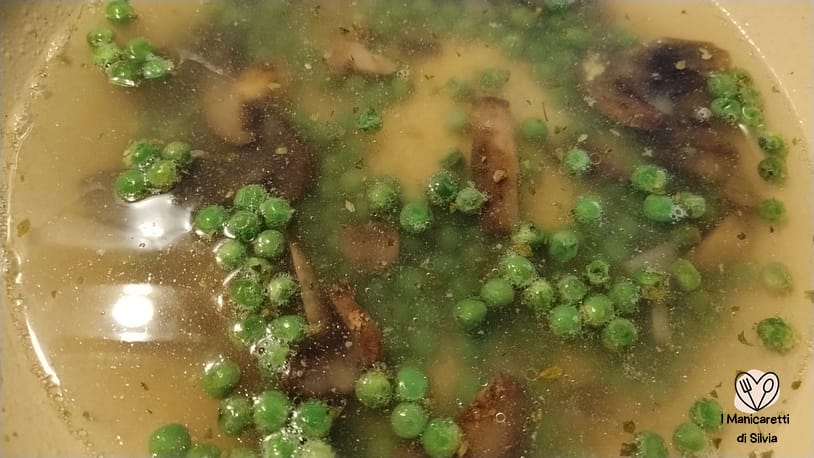
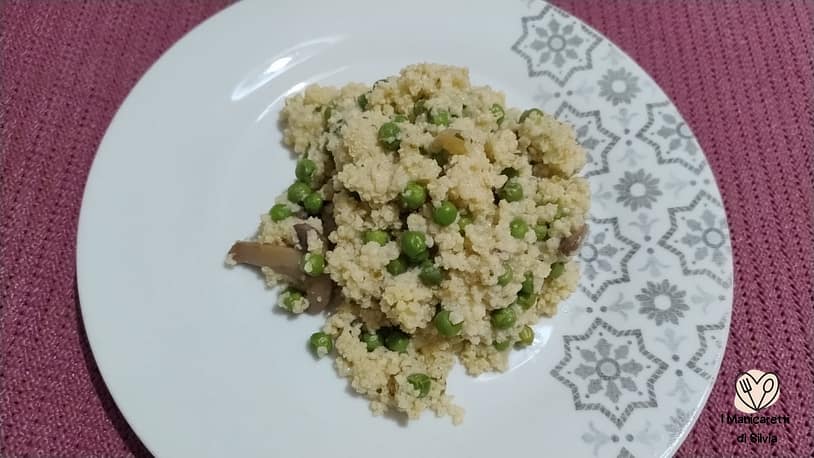
After about 30 minutes, it’s ready. Serve immediately!
How to Eat Millet: Recipe Variations
If you want to customize your dish, try these variations:
- Millet in broth: Instead of cooking it like a risotto, you can cook millet in vegetable broth and serve it with diced vegetables for a light, winter-friendly dish.
- Millet with saffron: For a more intense flavor, add a packet of saffron to the cooking water. This will give your dish a vibrant color and an aromatic taste.
- Millet with seasonal vegetables: Swap out peas and mushrooms for zucchini, bell peppers, or carrots to suit your taste and ingredient availability.
- Millet with legumes: Adding chickpeas or lentils boosts the protein content, making the dish even more nutritious.
- Millet for breakfast: If you’d like to enjoy it in the morning, try a sweet version with plant-based milk and dried fruit.
Nutritional Properties of Millet
Millet is a highly digestible and naturally gluten-free grain, making it perfect for those following a gluten-free diet.
- Energy source: Thanks to its complex carbohydrates, it provides long-lasting energy without causing blood sugar spikes.
- Rich in minerals: It contains iron, magnesium, phosphorus, and silicon, which support bone health, skin, and hair.
- Good source of protein: Ideal for those following a vegetarian diet and looking for plant-based protein alternatives.
- High fiber content: Aids digestion and promotes satiety, contributing to a balanced diet.