Silvia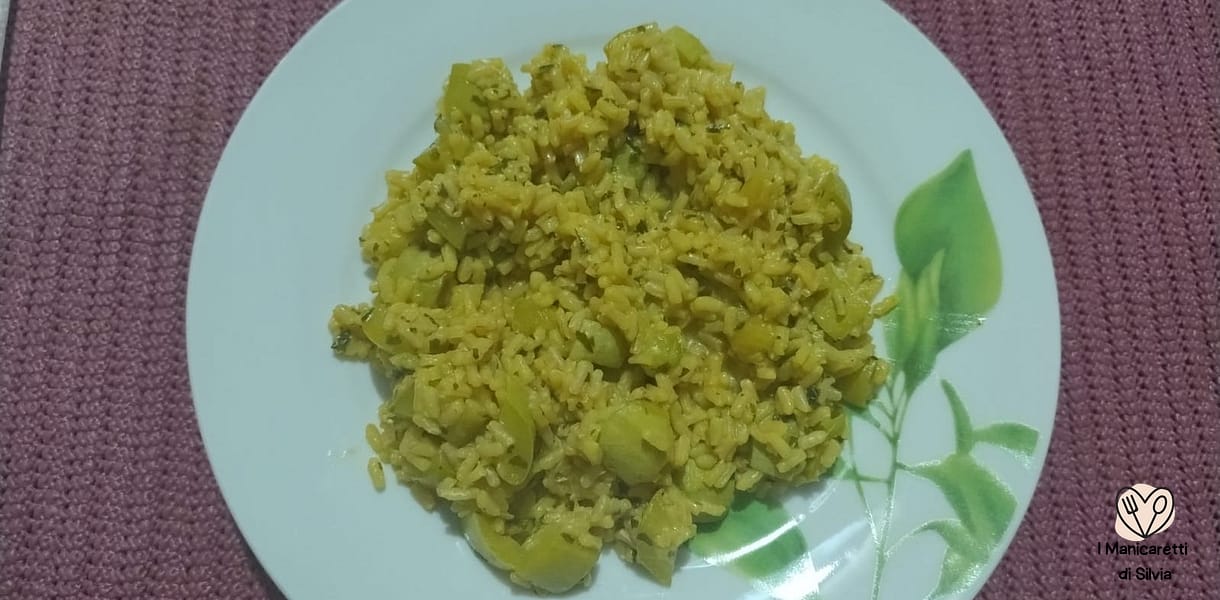
Risotto with zucchini is one of those dishes that warms both the kitchen and the heart: simple, creamy, fragrant, and perfect in any season.
The natural sweetness of zucchini pairs beautifully with the delicate flavor of rice, creating a light yet satisfying dish — ideal when you want something good without making things complicated.
In this article, I’ll guide you step by step through the preparation of zucchini risotto, with practical tips on ingredients, cooking techniques, lighter variations, and ideas to make it even creamier and more flavorful. Get ready for an easy, quick, and endlessly comforting recipe.
How to Make Zucchini Risotto
Making zucchini risotto is much easier than it seems: all you need are fresh ingredients, a simple sauté to start, and the patience to let the rice cook while adding the broth a little at a time. The zucchini, with its natural sweetness, melts into a light cream that coats every grain, giving the dish a soft, fragrant texture without needing too much fat.
In this section, I’ll show you how to organize each step, what you should never skip, and how to achieve that creamy consistency that makes all the difference.
Zucchini Risotto: Ingredients
Serves 2:
-
Extra-virgin olive oil
-
1 zucchini
-
120 g parboiled brown rice (about ¾ cup)
-
Nutritional yeast flakes
-
Water
-
¼ onion
-
2 teaspoons vegetable bouillon powder
-
Parsley
-
1 sachet of saffron
Why I Choose Parboiled Rice
I prefer this type of rice because it never overcooks: it stays firm, uniform, and holds its shape much better than traditional white rice. It’s perfect for light and creamy risottos, because it absorbs the broth well while staying separate, without turning mushy. A small trick I always use when I want a reliable, consistent result.
Zucchini Risotto: Preparation
Sauté the onion in a tablespoon of olive oil. When it starts to turn golden, pour in a glass of water and let it continue cooking. In the meantime, wash and slice the zucchini, then add it to the pan along with a sprinkle of parsley and the saffron.
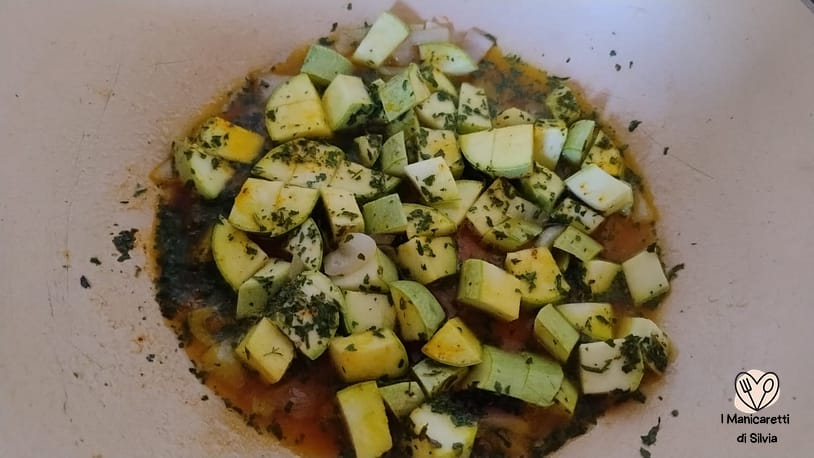
Pour in 500 ml of water (about 2 cups), add the bouillon and the rice, stir, and cover. It will be ready in about 30 minutes.
While it cooks, you can prepare a quick side and main dish: I suggest stewed canned chickpeas with tomato and a mixed salad.
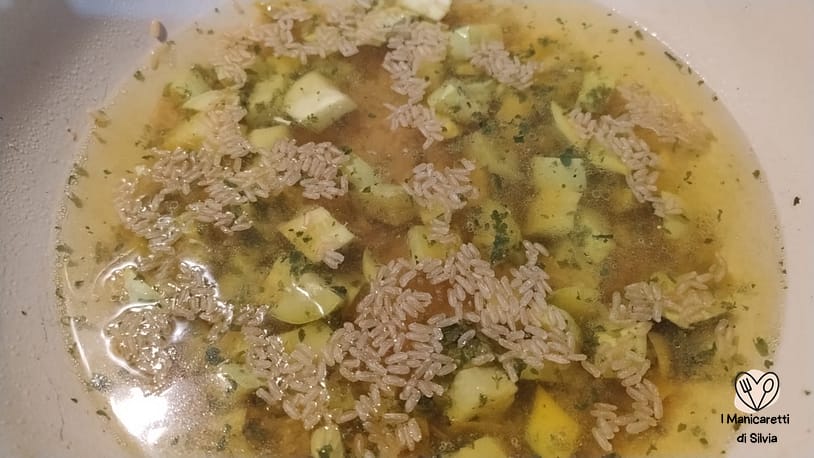
It’s ready.
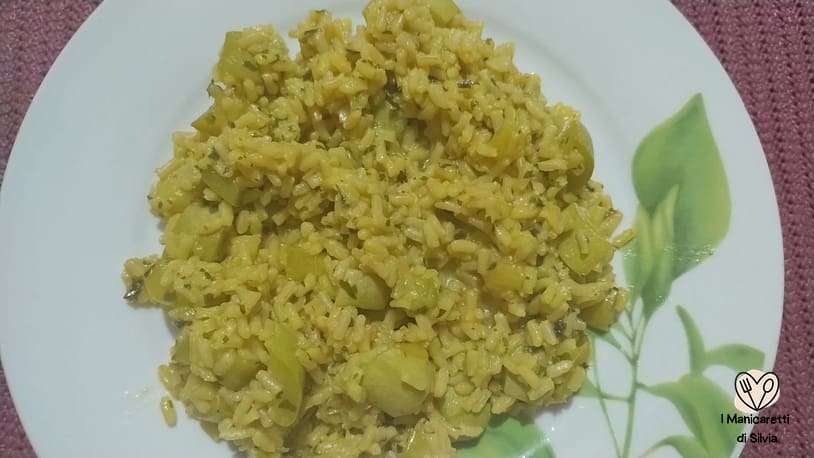
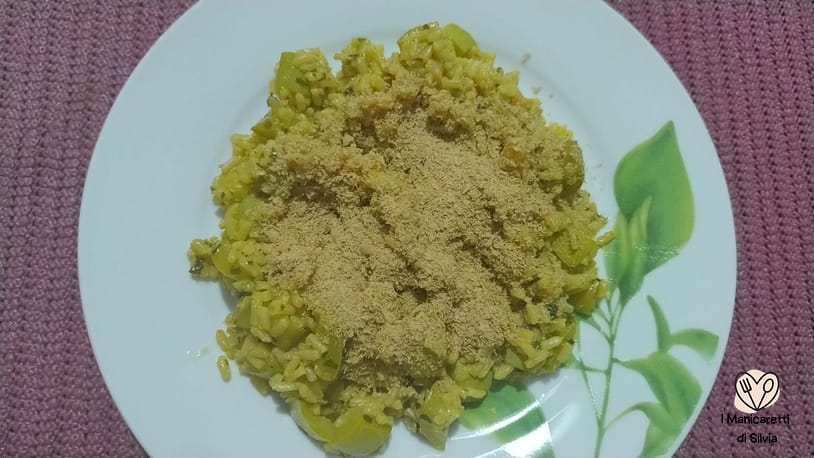
Add a tablespoon of nutritional yeast directly to the plate, so it keeps all its nutritional benefits. Delicious!
Zucchini Risotto Variations
The beauty of zucchini risotto is that it lends itself to endless interpretations: you can make it creamier, fresher, higher in protein, or more flavorful — whatever you need. With just a few extra ingredients, you get a different dish every time, without any complications.
Creamy Zucchini Risotto (No Cream)
If you want a velvety texture, blend half of the cooked zucchini with a ladle of water or broth. Pour the cream back into the pan and let it simmer for a few minutes. The result is a risotto that feels like it’s been enriched with cream… even though it hasn’t. Perfect if you love a naturally light, silky consistency.
Zucchini and Lemon Risotto
A fresh and wonderfully fragrant variation.
Just add the grated zest of half an unwaxed lemon once the heat is off. The citrus note enhances the zucchini’s natural sweetness and makes the dish feel lighter. Ideal during warm seasons.
Zucchini and Chickpea Risotto
When you want a more complete dish without making it heavier, add a handful of cooked chickpeas during the last 10 minutes of cooking. They blend beautifully and turn the risotto into a nourishing, satisfying one-pot meal.
Zucchini and Saffron Risotto
The base recipe already includes saffron, but you can intensify it by adding an extra ½ teaspoon dissolved in hot water. Stunning color, rich aroma.
Zucchini Benefits
Zucchini make this risotto healthy, light, and easy to digest. They’re rich in water, soft fibers, and micronutrients that support digestion, hydration, and that pleasant feeling of lightness after meals.
Vitamins and Minerals
Zucchini provide vitamin C, B-group vitamins, and minerals such as potassium and magnesium. They’re especially helpful when you feel tired, during hot weather, or whenever you want to keep your digestion regular.
Why They Work So Well in Risotto
Their flesh is naturally sweet and mild: it softens as it cooks, coats the rice grains, and creates a creamy texture without butter or cream. It’s one of the best vegetables for making a smooth, delicate risotto.
Zucchini and Light Eating
They’re perfect for anyone following a balanced diet because they’re very low in calories yet incredibly versatile. They satisfy without weighing you down, making zucchini risotto a great option even for dinner.
Tips for an Ultra-Creamy Zucchini Risotto
Creaminess comes from how the rice cooks, how much liquid you use, and the way you prepare the zucchini. Just a few simple tricks can give you a “restaurant-style” result.
Slice the zucchini very thinly
Use very thin slices or half-moons: the finer they are, the more they melt into the risotto. This is the number-one trick for natural creaminess.
Add the liquid little by little
This is essential for helping the rice release its starch. Never pour in too much water at once — add it one ladle at a time, just like tradition teaches.
Let it rest for two minutes before serving
Resting works the magic: the rice absorbs the last aromas, becomes softer and more compact, and the texture stabilizes. It’s a tiny step, but incredibly important.
Zucchini Risotto FAQ
Can I use different types of zucchini?
Yes, they all work well: classic green zucchini, light green varieties, round zucchini, and even Genovese zucchini. The only difference is cooking time — larger, more watery ones need a few extra minutes.
Can I use white rice instead of parboiled brown rice?
Of course. I recommend a risotto rice like Carnaroli or Arborio: it cooks faster and releases much more starch, making the dish even creamier. You’ll just need to adjust the liquid.
Can I make it without bouillon?
Yes. You can use lightly salted water or a simple homemade vegetable broth. Zucchini provide plenty of flavor on their own.
Can I make it higher in protein?
If you want to, yes: you can add chickpeas, cannellini beans, or small cubes of pan-seared tofu. The dish stays light but becomes more complete and satisfying.
Does it keep well for the next day?
Yes, but you’ll need to “revive” it in a pan with a splash of water or broth to bring back the creaminess. Avoid the microwave if you can — it dries risotto out too much.
Can I make it without sautéing the onion?
Absolutely. You can cook the zucchini and rice directly in water, spices, and a drizzle of oil. It will taste more delicate, but still delicious.
Conclusion
Risotto with zucchini is one of those dishes that instantly brings a sense of calm: simple to make, light, creamy, and always comforting. With just a few ingredients and a couple of small tricks, you get a dish that smells like home and works in any season.
It’s the perfect recipe when you’re short on time but still want something good and nourishing — a meal that comforts you without feeling heavy.
Experiment with the variations, try new combinations, and adapt it to your taste: zucchini risotto is a small classic you can make unique every time!