Silvia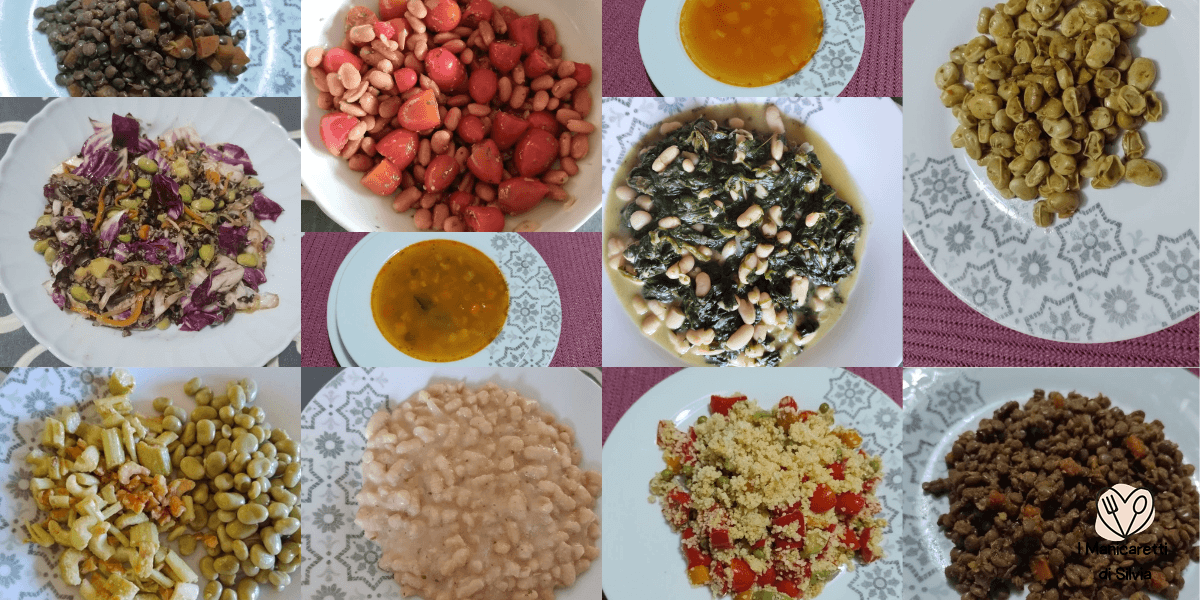
Legumes and Grains Summer Recipes: Discover Them Here!
When it’s hot, finding meals that are filling yet light isn’t always easy. Legumes and grains together are a perfect solution because they allow you to prepare dishes that are fresh, nutritious, and easy to organize even in advance.
This combination is widely used in vegetarian cooking and beyond, as it helps create complete and balanced meals, suitable for both lunch and dinner. In summer, it works especially well for cold salads, make-ahead meals to store in the fridge, and practical recipes that can be customized with seasonal vegetables.
Here you’ll find simple ideas for preparing legume and grain salads, cold dishes, recipes that combine legumes with grains, and useful tips for using ready-made mixes that are easy to find at the supermarket. A practical way to eat well, add variety to your meals, and make the most of versatile pantry ingredients.
One-Pot Meals with Grains and Legumes: Why They Work Well in Summer
A one-pot meal with grains and legumes works especially well during the warmer months because it combines simplicity, practicality, and balance. There’s no need to prepare multiple courses: a base of grains, a cooked legume, and some fresh or cooked vegetables are enough to create a filling and well-balanced meal.
This approach is also perfect for those who like to plan ahead. Rice, farro, couscous, barley, or millet can be prepared in advance and then combined with chickpeas, lentils, or beans in different ways throughout the week. The same applies to many legume-based salads, which become even more convenient when you already have some basic ingredients ready.
From an everyday cooking perspective, the real strength lies in flexibility. Even with just a few ingredients, you can create a simple yet flavorful summer dish without relying on the same recipes every time.
Which Grains and Legumes to Choose for Summer Recipes
To prepare great summer recipes with legumes and grains, you can start with simple and versatile ingredients.
Among the most convenient grains are:
- rice
- black rice (Venere rice)
- couscous
- farro
- barley
- millet.
Among the most practical legumes to use in summer are:
- chickpeas
- lentils
- borlotti beans
- cannellini beans
- fava beans.
These ingredients work well both in legume and grain salads and in warmer or room-temperature dishes. They can also be easily combined with fresh vegetables, herbs, and simple seasonings.
Legume and Grain Salad: A Summer One-Pot Meal
A legume and grain salad is one of the most practical dishes to prepare during the summer. It’s fresh, complete, easy to customize, and perfect for making ahead.
These salads usually follow a very simple structure: a cooked grain, a ready-to-use legume, and a vegetable component that makes the dish lighter and fresher. What changes are the colors, textures, and seasonings, but the basic idea remains the same.
One of the main advantages is that these recipes can be easily adapted to what you already have at home. Just switch the type of grain, use a different legume, or add a seasonal vegetable to create a new variation every time.
In addition, grain and legume salads are ideal for those looking for cold meals to take on the go, whether to work, the beach, or simply to keep ready in the fridge. They store well, taste great even when cold, and allow you to vary your meals without making them heavy.
Cold Legume and Grain Salads to Get Inspired By
If you’re looking for practical ideas, you can take inspiration from recipes already available on the blog.
Some of the most suitable ones include:
Even if not all of them are originally designed as legume and grain salads, they can easily become one or serve as a great base for creating complete summer variations.
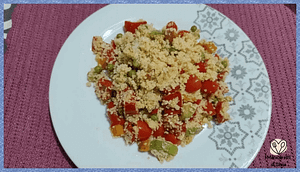
For example, a vegetable couscous can be enriched with chickpeas or lentils. In the same way, a bean salad can be combined with farro, rice, or barley to turn it into a more filling one-pot meal.
This approach is also very practical: there’s no need to look for a perfect or rigid recipe, but rather to understand how to simply combine ingredients that work well together.
How to Make a Grain and Legume Salad
Making a grain and legume salad is easier than it seems. You just need to follow a basic structure that helps you create a dish that is always balanced and easy to adapt.
The simplest formula is:
- one grain
- one legume
- one or two vegetables
- a simple dressing
For example, you can combine:
- rice and chickpeas
- farro and lentils
- couscous and beans
- barley and cannellini beans
Then you can complete the dish with cherry tomatoes, cucumbers, zucchini, olives, fresh herbs, or grilled vegetables.
For the dressing, even something simple like extra virgin olive oil, lemon juice, parsley, or other fresh herbs is enough.
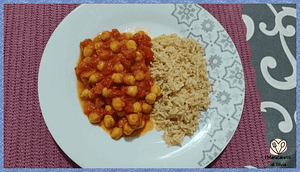
Table: Pairings of Legumes, Grains, and Summer Vegetables
Want to quickly understand how to build a complete summer dish using simple ingredients? Here’s a helpful table!
| Grain | Legume | Summer Vegetable | Dish Idea |
|---|---|---|---|
| Rice | Chickpeas | Cherry tomatoes and cucumbers | Cold salad |
| Black rice (Venere rice) | Borlotti beans | Bell peppers and zucchini | Summer one-pot meal |
| Couscous | Chickpeas | Zucchini and eggplant | Cold couscous |
| Farro | Lentils | Tomatoes and arugula | Farro salad |
| Barley | Cannellini beans | Bell peppers and carrots | Warm salad |
| Millet | Fava beans | Zucchini and parsley | Light summer dish |
Legume-Based Dishes Perfect to Pair with Grains
When it comes to summer recipes with legumes and grains, it’s not necessary for both ingredients to always be in the same dish. Many legume-based recipes can easily become complete meals simply by adding a grain as a side.
Lentils, chickpeas, beans, and fava beans are very versatile and can be served alongside rice, farro, couscous, or millet. This way, you can easily create a more balanced meal, rich in fiber and satisfying without being heavy.
It’s also a very practical approach for everyday cooking. If you’ve already prepared a legume dish, you just need to cook a simple grain and pair it with your meal to make it complete.
On the blog, you can find several examples of recipes that work perfectly in this way.
Some of these include:
- dried lentils
- canned chickpeas cooked with tomato
- canned beans sautéed in a simple way
- canned fava beans
- spinach and cannellini beans.
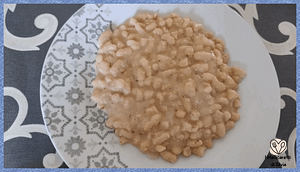
Even if these recipes don’t always include grains, they can easily be paired with rice, farro, or couscous to create a complete meal.
It’s exactly this flexibility that makes legume-based recipes so useful in everyday cooking.
Lentil Recipes to Pair with Grains
Lentils are among the easiest legumes to cook and pair very well with grains.
A basic preparation, like the one explained in the article on how to cook dried lentils, can easily become a complete meal when served with rice, farro, or couscous.
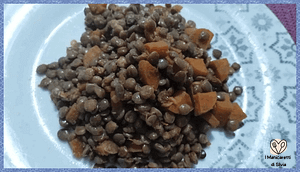
Lentils also pair well with vegetables such as carrots, tomatoes, zucchini, or bell peppers, creating hearty dishes that are still suitable for the summer season.
For example, you can serve lentils with basmati rice or use them as a base to enrich a grain salad.
Recipes with Chickpeas, Beans, and Fava Beans
Chickpeas, beans, and fava beans are also perfect for preparing simple yet nutritious summer dishes.
On the blog, you can find several useful preparations such as:
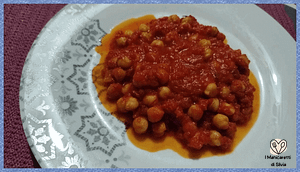
- canned chickpeas cooked with tomato
- canned beans sautéed in a simple way
- canned fava beans
- spinach and cannellini beans.
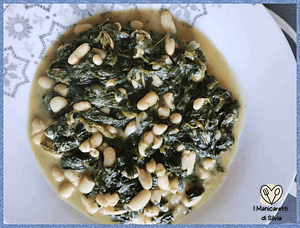
These recipes can be enjoyed on their own or paired with grains such as rice or farro, turning a legume-based dish into a more complete meal, perfect for both lunch and dinner.
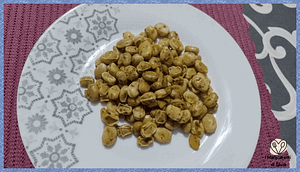
I also recommend trying fava beans in a pan — you can use either fresh or frozen ones, just like I did.
How to Cook Ready-Made Legume and Grain Mixes
In recent years, products that combine legumes and grains in ready-made mixes have become very popular.
These are packages that include ingredients such as farro, barley, rice, chickpeas, lentils, or beans. Some examples are legume and grain products from brands like Cirio, or mixes commonly found in supermarkets.
These products are very convenient because they allow you to prepare quick meals without having to cook each ingredient separately. In many cases, the legumes and grains are already cooked or pre-cooked, so you just need to rinse them or heat them briefly.
With these mixes, you can easily prepare:
- legume and grain salads
- cold summer dishes
- quick soups
- complete one-pot meals
Just add some fresh vegetables, a drizzle of extra virgin olive oil, and a fresh herb to create a simple but flavorful dish.
How to Use Legume and Grain Mixes in Summer Salads
One of the easiest ways to use these products is to prepare a legume and grain salad.
For example, you can take a ready-made mix and add:
- cherry tomatoes
- cucumbers
- grilled zucchini
- olives
- parsley or basil
In just a few minutes, you’ll have a fresh, nutritious dish that’s also perfect for storing in the fridge.
It’s ideal when you want a quick lunch solution or when you prefer to prepare a meal in advance without spending too much time in the kitchen.
Legume and Grain Soups
Even though cold dishes are often preferred in summer, some people still enjoy legume and grain soups during the warmer months (I definitely do!). Just let them cool slightly before serving.
Many recipes can be easily adapted by adding grains.
For example, a simple vegetable soup can become a legume and grain soup by adding rice, farro, or barley during cooking.
This also applies to some recipes on the blog, such as:
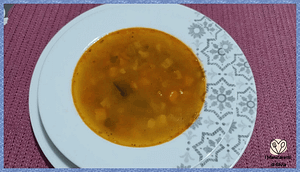
Even if these preparations don’t include grains in their basic version, they can easily be enriched with ingredients such as rice or farro to create a more substantial soup.
They are very useful recipes when you want to prepare a warm but simple dish using ingredients you often already have in your pantry.
Legumes and Grains Summer Recipes: Nutritional Benefits
Recipes with legumes and grains are appreciated not only for their practicality but also for their nutritional value. They allow you to create complete and balanced meals using simple ingredients.
Legumes and grains have different but complementary characteristics: legumes help make meals more filling, while grains provide energy and structure. Together, they create balanced dishes that can be enjoyed both hot and cold.
During the summer, this combination becomes even more interesting because it allows you to prepare light yet nutritious meals, such as cold salads or one-pot dishes that can also be eaten on the go.
Nutritional Properties of Legumes
Legumes are among the most commonly used ingredients in plant-based summer recipes. Chickpeas, lentils, beans, and fava beans are rich in fiber and help make meals more satisfying.
Thanks to their versatility, they can be used in many different preparations: cold salads, one-pot meals, soups, or simpler dishes to pair with grains.
Another advantage of legumes is their convenience. They can be cooked from dried form or used ready-made, such as canned or jarred versions, which allow you to prepare quick recipes without long cooking times.
Nutritional Properties of Grains
Grains are an important source of complex carbohydrates, which help provide energy to the body.
Among the most commonly used in recipes with legumes and grains are rice, farro, barley, couscous, and millet. Each of these ingredients has different characteristics, but all of them work very well in simple summer dishes.
Grains are also particularly suitable for cold salads because they hold their texture well and pair easily with vegetables and legumes.
Why the Legume and Grain Combination Is So Popular
The combination of legumes and grains is widely used in many traditional cuisines because it allows you to create complete meals using simple ingredients.
When eaten together, these foods help create more balanced and satisfying meals. This is also why many summer recipes with legumes and grains become true one-pot dishes.
It’s a very useful combination for vegetarian recipes or simple, nutritious meals without overly complex ingredients.
Legumes and Grains Summer Recipes: FAQ
Which grains pair best with legumes?
Among the most commonly used grains in legume and grain recipes are rice, farro, barley, couscous, and millet. These are versatile ingredients that work well in both cold salads and warmer dishes.
Can you make legume and grain salads?
Yes, legume and grain salads are among the most popular summer dishes. They are fresh, complete, and easy to customize with seasonal vegetables.
Are ready-made legume and grain mixes practical?
Yes, ready-made mixes are very convenient because they allow you to prepare quick recipes without cooking each ingredient separately. They can be used for cold salads, one-pot meals, or soups.
Can legume and grain recipes be prepared in advance?
Yes, many recipes with legumes and grains can be prepared ahead of time and stored in the fridge. This makes them ideal for organizing practical meals throughout the week.
Legumes and Grains Summer Recipes: Conclusion
Summer recipes with legumes and grains are a simple and versatile solution for bringing complete meals to the table during the warmer season.
Thanks to the wide variety of available ingredients, you can create many different combinations: from legume and grain salads to more substantial one-pot meals, all the way to soups enriched with grains.
Experimenting with these recipes allows you to add variety to your diet using easy-to-find ingredients, adapting each dish to your taste and to what you already have in your kitchen.