Silvia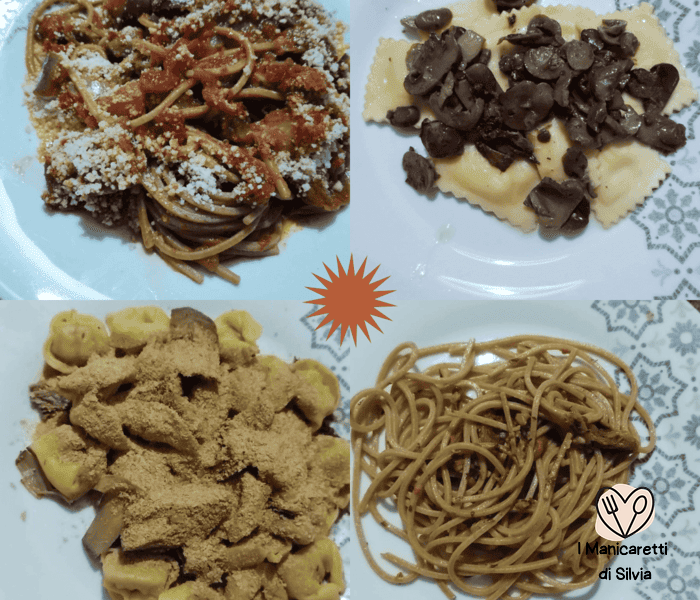
Did you search for “quick pasta recipes”? You’re in the right place.
Pasta is one of the most beloved and versatile dishes in Italian cuisine. Perfect for any occasion, it can be prepared in just a few minutes without sacrificing flavor. In this article, you’ll find plenty of easy and delicious ideas to try!
Dry Pasta Dishes: Simplicity and Flavor in Every Bite
Dry pasta, or pasta asciutta, lends itself to countless variations: you can use fresh ingredients, seasonal vegetables, flavorful sauces, and even cheeses or proteins to enrich it. Here are some of the best dry pasta recipes—perfect for those with little time but who still want a tasty and nutritious dish.
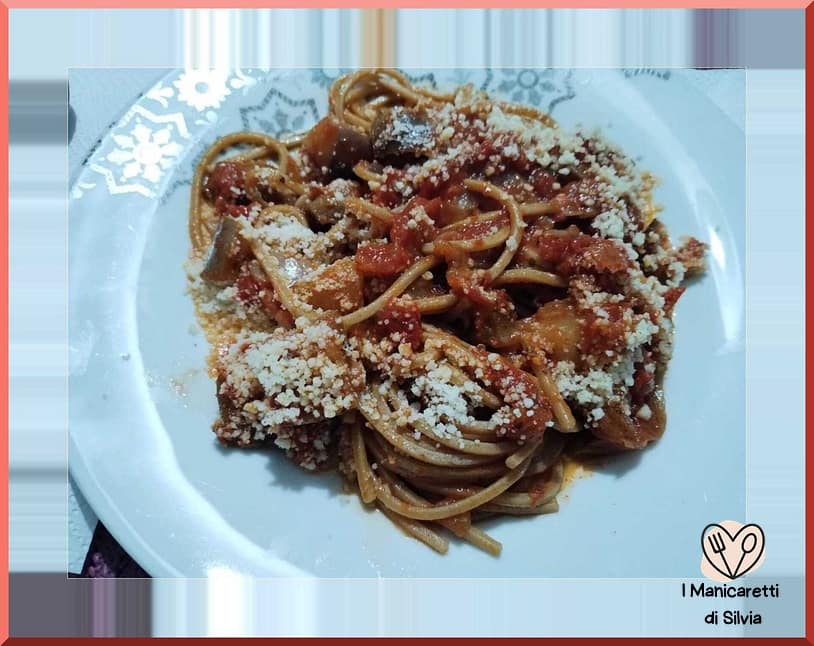
1. Quick Pasta Recipes: Lighter Pasta alla Norma (No Frying Required)
One of the most iconic recipes from Sicilian cuisine is pasta alla Norma, traditionally made with fried eggplant. But if you’re looking for a lighter version, you can skip the frying without sacrificing flavor. The preparation is quick and easy, and the result is just as delicious.
You’ll find the full recipe in my article dedicated to Lighter Pasta alla Norma – No Frying Required.
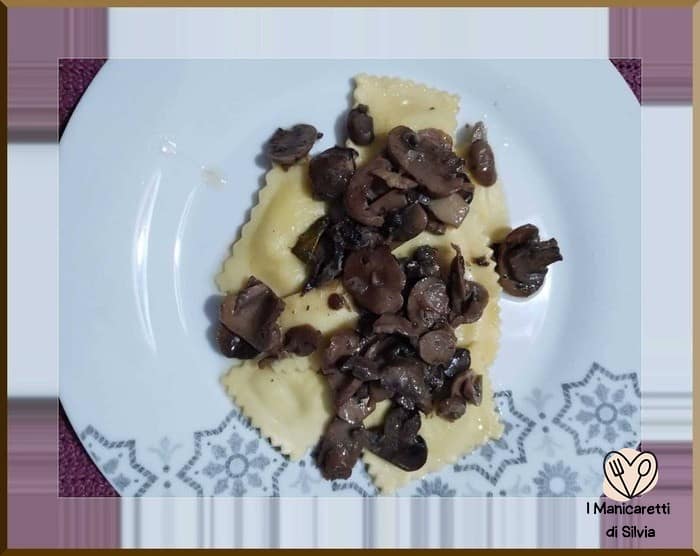
2. Ravioli with Butter and Sage
A timeless classic of Italian cuisine, this combo never disappoints. The butter melts gently over the pasta while the sage adds a unique and unmistakable aroma. If you have fresh ravioli ready to go, this recipe becomes even quicker. It’s perfect for an elegant dinner and requires only a few ingredients, yet delivers incredible flavor.
Ideal for anyone looking for a fast, flavorful dish. Check out the full recipe for Ravioli with Butter and Sage.
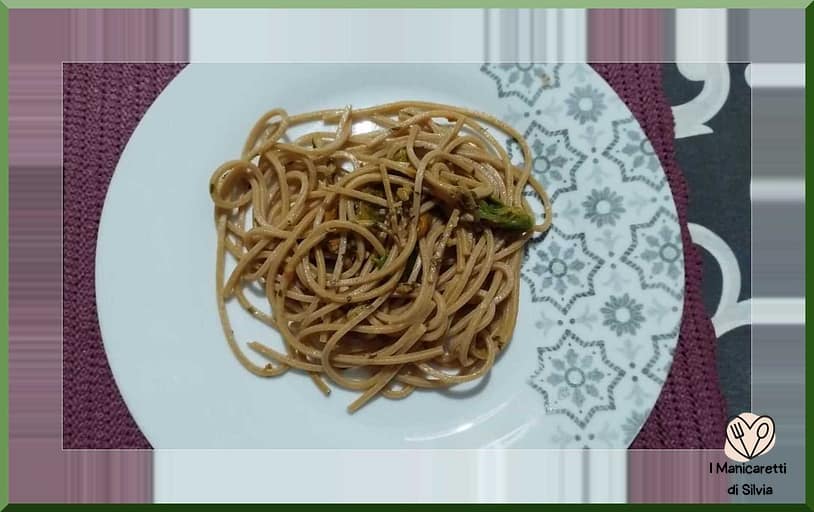
3. Pasta with Zucchini Flowers
If you’re looking for a fresh and summery dish, pasta with zucchini flowers is the perfect choice. Zucchini flowers are light and delicately flavored, ideal for a meal that won’t weigh you down. Sauté them with garlic and parsley, then toss with the pasta.
This dish is quick to make and full of flavor. If you want a tasty yet light first course, this recipe is just what you need.
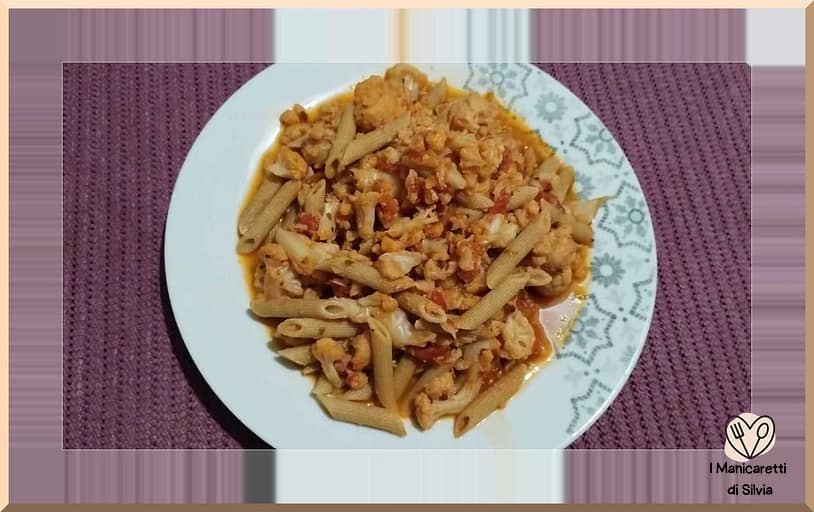
4. Quick Pasta Recipes: Pasta with Cauliflower
A healthy and nutritious option, pasta with cauliflower is a comforting, home-style dish. Cauliflower is a versatile vegetable that pairs beautifully with pasta in many ways. In this version, it’s cooked with tomatoes and spices to create a flavorful and wholesome sauce.
Perfect for those looking for a light yet tasty option, it’s one of the easiest and fastest recipes to prepare. If you’re after a healthy, vegetarian dish, this one’s for you.
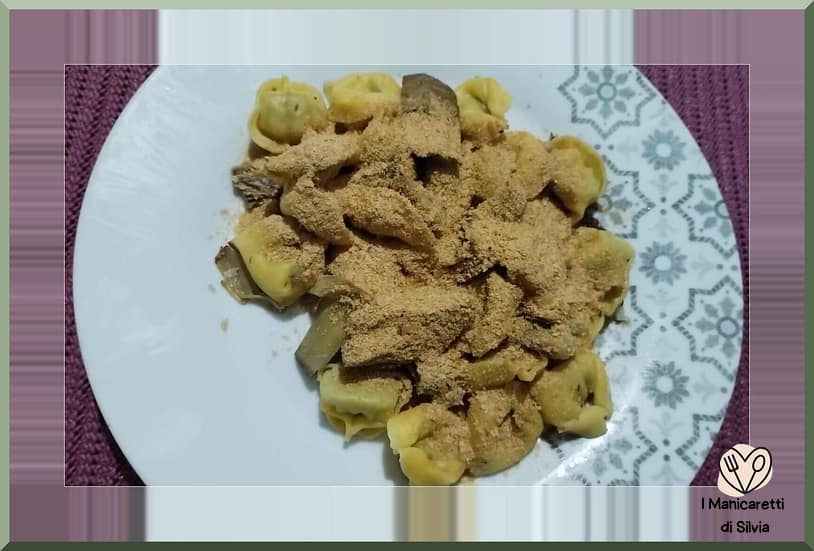
5. Quick Pasta Recipes: Tortellini in White
Tortellini never go out of style. This dish comes together in no time—just cook the tortellini and toss them with artichokes, white wine, and parsley. It’s the perfect choice when you want something simple yet full of flavor.
Discover all the variations of Tortellini in White.
6. Pasta with Broccoli
Pasta with broccoli is one of the simplest and most nutritious recipes you can make. When cooked properly, broccoli turns into a creamy, flavorful sauce that pairs beautifully with pasta.
This recipe doesn’t take much time and allows you to create a healthy, delicious dish with just a few ingredients. If you’re looking for something quick and wholesome, this one’s a perfect choice.
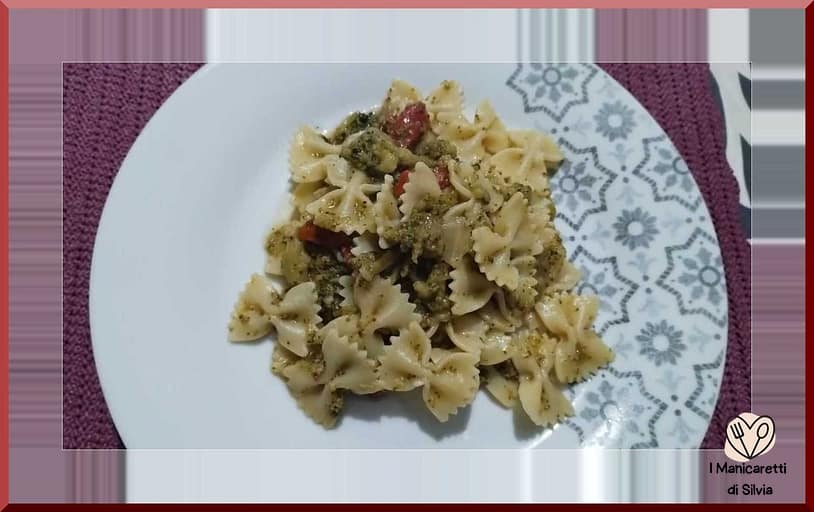
7. Lentil Pasta: How to Dress It for Maximum Flavor
If you’re looking for a gluten-free, protein-packed dish, lentil pasta is the perfect choice. Ideal for those who are vegan and/or celiac, it’s also a great option for anyone seeking a fiber-rich meal.
Pair it with vegetables, legumes, or tomato-based sauces for a dish that meets every need. If you want to take your diet up a notch, discover the best ways to dress lentil pasta and enhance its flavor.
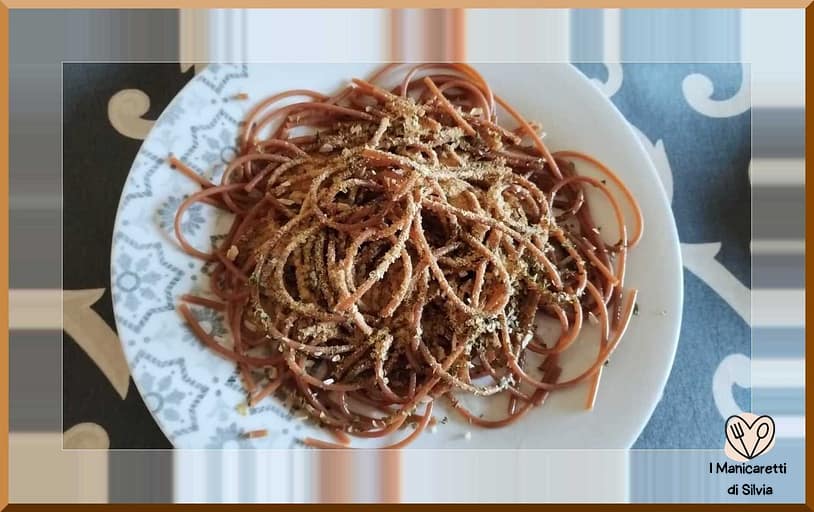
8. Quick Pasta Recipes: Tasty Pasta with Canned Tuna
If you need a quick and flavorful recipe, pasta with canned tuna (vegan, of course) is the way to go. Canned tuna is a convenient, tasty ingredient that lets you whip up a meal in just minutes.
Perfect for a last-minute lunch, this recipe helps you put together a healthy and delicious dish in no time.
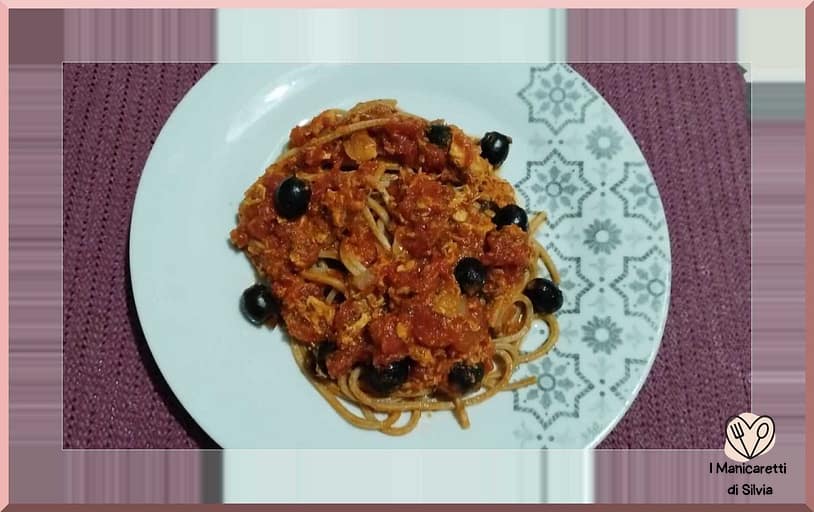
Quick Pasta Recipes: How to Personalize Them
Dry pasta recipes can be customized in countless ways, depending on your tastes and seasonal ingredients. You can opt for whole wheat, gluten-free, or even legume-based pasta to suit your dietary needs. Alternatively, you can enrich the sauce with plant-based proteins, such as legumes or tofu, for an even healthier and lighter version.
Tasty Variations to Personalize Dry Pasta
If you want to create a quick and flavorful pasta dish, try adding ingredients like sun-dried tomatoes, black olives, capers, and fresh herbs such as basil or parsley. To make the pasta even more exciting, you can experiment with more unusual ingredients like zucchini flowers, which are perfect for pasta in the spring and summer.
Quick pasta recipes can also include tuna for a protein boost or use vegetables like cauliflower or broccoli for a lighter, yet still flavorful version.
You can also make a quick pasta recipe using gluten-free or legume-based pasta, such as lentil pasta. These types of pasta are perfect for those following specific diets without sacrificing flavor or convenience.
Now that we’ve covered the topic of quick pasta recipes, it’s time to dive deeper into some important themes. Keep reading to learn all about pasta—from the meaning of dry pasta to the common myths surrounding this beloved food!
Dry Pasta: Meaning and Calories
When we talk about “pasta asciutta,” we refer to pasta that has been drained and dressed without broth, in contrast to soups that are served with liquid. The term “asciutta” specifically refers to this distinction, but the more colloquial and informal version, “pastasciutta,” is often used. Pasta asciutta is one of the most versatile and beloved dishes in Italian cuisine, easily adaptable to any type of sauce and perfect for any occasion.
As for calories, it’s important to note that pasta itself isn’t a particularly high-calorie food. On average, 100 grams of dry pasta contains about 350 calories, but this number can vary depending on the type of pasta and the sauces used. For instance, if you choose whole wheat or legume-based pasta, the fiber and protein content increase, while the glycemic index decreases, making the pasta a healthier and more filling dish.
Pasta and Diet: It’s Not the Pasta That Makes You Gain Weight, But the Calorie Count
Pasta is often demonized, with the idea that it causes weight gain when consumed regularly. However, the truth is that it’s not the pasta itself that leads to weight gain, but rather the overall calorie balance of the day. Every food, including pasta, has a caloric value that needs to be balanced with our energy needs. If we eat pasta in excess compared to the calories we burn, that’s where the problem lies—not in the type of pasta we eat. Whole wheat pasta, for example, with its high fiber content, can help you feel fuller longer, which can reduce the intake of other foods.
Therefore, we don’t need to eliminate pasta from our diet, but rather learn to consume it in moderation as part of a balanced eating plan that also includes vegetables, proteins, and healthy fats.
The False Myth of Avoiding Carbohydrates at Dinner
Another common myth associated with pasta and carbohydrates is that we shouldn’t eat them for dinner if we want to avoid gaining weight. This misconception is based on the belief that carbohydrates consumed in the evening are stored as fat, but that’s not the case. Our body uses carbohydrates for energy, regardless of the time they are consumed. For example, if we eat a serving of pasta at dinner, our body will continue to use it throughout the night for various physiological processes.
The key to a healthy diet is balance. If our daily caloric needs are met, having a portion of pasta in the evening will not lead to weight gain. The important thing is to watch the portions and avoid overly caloric toppings, such as cheeses or heavy sauces.
The Origins of Pasta: An Italian Excellence
Pasta has a long and fascinating history that dates back centuries. While there is no absolute certainty about its origin, many historians believe pasta was brought to Italy by the Arabs during the Middle Ages. However, other theories suggest pasta was already known in ancient Rome. Today, Italy is undoubtedly the country that has perfected the art of pasta, creating a gastronomic tradition that has become a symbol of world cuisine.
In Italy, pasta is not just a dish: it’s a moment of conviviality, a symbol of family and tradition. Each region has developed its own formats and sauces, telling different stories of culture and territory. Pasta is also an example of excellence, a product with no borders that has won the hearts of people all over the world, from Italians to global food lovers.
The Different Types of Pasta: A Universe of Taste
When we talk about pasta, we can’t overlook the variety of types available. In Italy, there are hundreds of different formats, each designed to pair perfectly with various types of sauce. From long pasta like spaghetti and linguine, to short pasta like rigatoni and penne, each format has a specific function.
Recently, legume pasta has gained popularity. Made with lentil, chickpea, or pea flour, it’s an excellent choice for those following a gluten-free diet or for anyone seeking a more protein-rich, high-fiber pasta. Legume pasta also has a low glycemic index, making it ideal for those who want a nourishing and satisfying meal.
Moreover, there are also whole wheat pasta options, which retain the wheat germ and are high in fiber, as well as farro pasta, another example of a healthy and nutritious pasta variety. The options are endless, and with the right sauce, each type of pasta becomes a unique and irresistible dish.
How to Tell if Pasta is Really Whole Wheat
When it comes to whole wheat pasta, not all varieties on supermarket shelves are the same. Often, you’ll find pasta with the dark color typical of whole wheat, but it might not actually be whole wheat. So how can you tell if the spaghetti or pasta you’re buying is truly whole wheat and not just dyed? There’s a very simple trick: just look at the label! If the pasta is genuinely whole wheat, it will contain at least 2 grams of fat per 100 grams. This is because the process of milling whole wheat leaves the fats from the germ intact, while refined pasta, which is devoid of germ, will have much lower fat content.
In addition to this trick, it’s important to check the ingredients. Genuine whole wheat pasta should only contain whole wheat flour. If you see refined flour or coloring agents, it’s probably not a 100% whole wheat product.
Pasta Asciutta Quick Recipes: Conclusions
Pasta asciutta is a dish that should not be missing from our kitchens. Easy to prepare and incredibly versatile, it can be enriched with countless toppings, from fresh vegetables to cheese, to both plant-based and animal proteins. The recipes I’ve shared are just a few of the endless possibilities that pasta asciutta offers, perfect for every occasion, from a quick dinner to something more special.
Keep following me for more quick pasta recipes and add a touch of creativity to your cooking! You’ll find inspiration to create delicious dishes with ingredients you already have at home. Don’t forget to check out variations that include legume pasta and much more!
Visit my website to discover more easy and quick dishes, such as budget-friendly first courses or other delightful recipes. Every day is an opportunity to make something new and delicious!