Silvia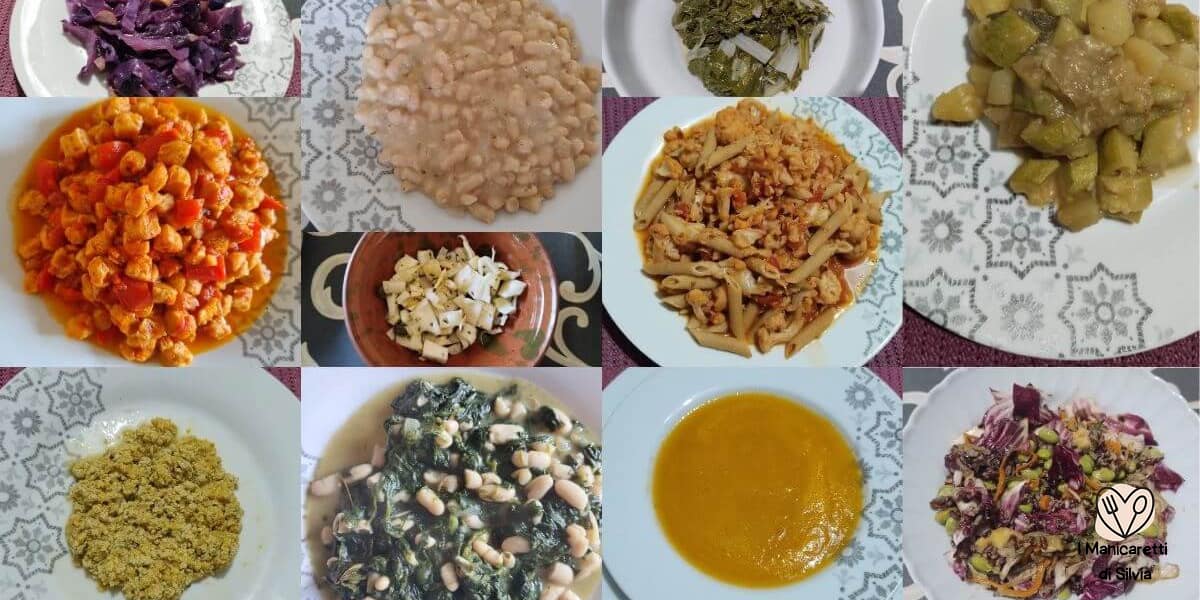
When people talk about a diet-friendly vegetable recipe, they often imagine sad, bland dishes or meals that are hard to prepare.
In reality, cooking light meals can be much simpler—and far more satisfying—than it seems.
Vegetables are valuable allies in everyday cooking: they’re versatile, adapt to countless preparations, and make it easy to bring balanced dishes to the table without overcomplicating things. All it takes is a change in mindset, focusing on practical recipes, common ingredients, and cooking methods that truly work in daily life.
In this article, you’ll find a collection of diet-friendly vegetable recipes designed for anyone who wants to eat well without stress. These aren’t rigid or restrictive recipes, but simple ideas to take inspiration from: light first courses, one-dish meals with legumes and vegetables, easy side dishes, and preparations that are perfect even when time is short.
For each idea, I’ll point you to the individual recipes, so you can choose the one that suits you best and adapt it to your taste, the season, and whatever you already have at home.
Diet-Friendly Vegetable Recipe: Pan-Cooked
Using a pan is one of the most practical ways to cook vegetables lightly and quickly, especially for everyday meals. With just a few ingredients, a drizzle of oil, and some simple tips, you can create flavorful dishes without making them heavy.
When it comes to light pan-cooked vegetables, simplicity is key: evenly sized cuts, medium heat, and proper cooking times help preserve the vegetables’ natural flavor, without masking it with too many seasonings. It’s an ideal method both for preparing a light side dish and for creating a base to pair with grains or legumes.
Practical Ideas
Among the most versatile preparations are pan-cooked vegetable mixes, which you can easily adapt to whatever you have at home. Zucchini, bell peppers, artichokes, or cabbage all work well with this cooking method and make it easy to bring simple yet complete dishes to the table.
Practical examples include dishes like zucchini stew or bell pepper stew, where vegetables remain the star of the plate without requiring long cooking times or complicated steps.
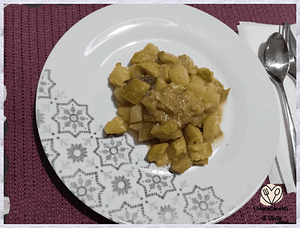
The pan also works very well with more structured vegetables, such as red cabbage or Swiss chard, which—when cooked the right way—become tender and enjoyable without losing their flavor. If you’re looking for ideas on how to cook red cabbage or how to prepare Swiss chard in a simple way, I’ve linked recipes that guide you step by step.
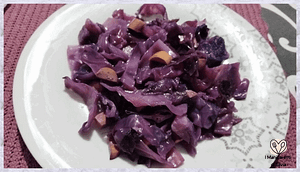
This kind of preparation is also perfect when you’re looking for ideas for a light dinner or a quick lunch: you can pair these dishes with rice, couscous, or ready-to-use legumes, or enjoy them just as they are, as simple and satisfying vegetable-based meals. Recipes like artichokes and potatoes cooked in a light stew or canned beans sautéed in a pan without sauces follow the same logic: few ingredients, easy cooking, and a concrete, satisfying result.
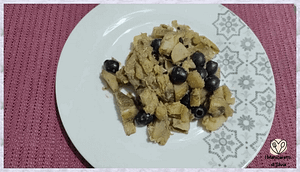
Diet-friendly vegetable recipe: easy side dishes
Light vegetable side dishes are a practical solution when you want to accompany a main course without weighing down the meal. All you need are seasonal vegetables, simple cooking methods, and minimal seasoning to create balanced, versatile dishes suitable for both lunch and dinner.
Vegetables such as zucchini, peppers, cabbage, chard, or artichokes work especially well in light preparations, particularly when cooked in a pan or gently stewed. In these cases, it’s important to respect cooking times and avoid excessive fats or sauces, letting the natural flavor of the vegetables remain the star.
Among the most convenient light vegetable side dishes are those made with ready-to-use or frozen ingredients, perfect when you’re short on time but still want to eat well. Dishes like diet-friendly light side dishes, artichokes and potatoes in a light stew, or chard cooked simply follow this approach: easy recipes, repeatable, and stress-free.
These preparations also work well as a base for light one-dish meals when paired with legumes, grains, or eggs. A light vegetable side dish can easily turn into a complete meal, adapting to what you already have in your pantry and to the needs of the day.
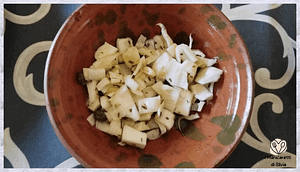
Light vegetable dishes for everyday meals
Light vegetable dishes are ideal when you want to bring something simple, nourishing, and easy to manage into your daily routine. There’s no need for elaborate preparations: often, combining vegetables with just a few well-chosen ingredients is enough to create complete and satisfying meals.
This category includes both cooked and raw vegetables used as the main component of the dish. Salads, stewed vegetables, creamy soups, or quick pan-cooked preparations make it easy to create vegetable-based meals suitable for any time of day, from a quick lunch to a lighter dinner.
Practical examples include dishes based on spinach, pumpkin, cauliflower, or artichokes, which work well in simple yet balanced recipes. Meals like spinach and cannellini beans, pumpkin with scrambled eggs, or pumpkin soup without cream show how vegetables can take center stage without the need for complicated techniques.
These options are perfect when you’re looking for ideas for a light dinner, but they work just as well as one-dish meals for lunch. The key is to keep a practical mindset: few steps, common ingredients, and recipes you can easily repeat several times a week.
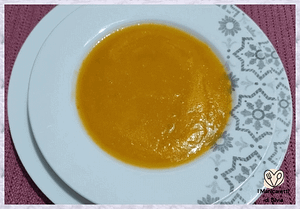
Light first courses with vegetables as the main ingredient
Light first courses with vegetables are one of the most practical solutions when you want a complete yet easy-to-digest meal. Rice, pasta, and other grains become an excellent base when paired with vegetables cooked in a simple way, without heavy sautéing or excessive seasonings.
In these dishes, vegetables are not a side dish but the true centerpiece of the meal. Zucchini, cauliflower, broccoli, artichokes, or pumpkin blend easily with rice or pasta, creating balanced vegetable-based dishes that work perfectly in everyday cooking.
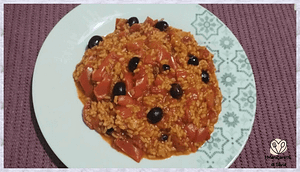
Recipes like pasta with cauliflower, pasta with broccoli, or zucchini risotto are great examples of practical first courses that make it easy to eat vegetables naturally and without complications. Rice-based dishes such as rice with peppers, rice with frozen artichokes, or pumpkin rice also fit perfectly into this category.
These preparations are ideal both for lunch and for a light dinner, as they are filling without being heavy and can be easily adapted to what you already have at home. With a few simple adjustments to quantities and cooking methods, vegetable-based first courses become an easy and sustainable everyday choice.
Light dishes with legumes and vegetables
Light dishes made with legumes and vegetables are an excellent choice when you’re looking for something nutritious yet easy to digest. This combination makes it possible to prepare complete meals without relying on complicated techniques or hard-to-find ingredients.
This category includes both hot and cold dishes, perfect for adding variety throughout the week. Legumes such as chickpeas, beans, or lentils pair beautifully with spinach, zucchini, tomatoes, or seasonal vegetables, creating balanced and practical meals.
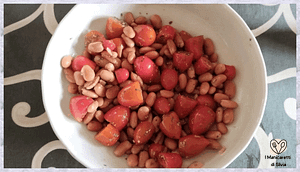
Preparations like spinach with cannellini beans, borlotti bean salad, or canned chickpeas stewed with tomato are simple recipes, ideal when you want to eat light without sacrificing satisfaction. Dishes such as canned beans sautéed in a pan or dried lentils also help you organize quick meals starting from versatile pantry staples.
These recipes work well both as a one-dish meal and as a lighter alternative to traditional first courses. They are also perfect when you’re looking for ideas for a light dinner, as they keep you feeling full without weighing you down, using ingredients you often already have on hand.
Light vegetable-based recipes: ideas for lunch or dinner
When you’re not sure what to cook, choosing light ideas with vegetables is often the easiest solution. Vegetables work well for both lunch and dinner and allow you to build flexible meals that can be adapted to your time and hunger level.
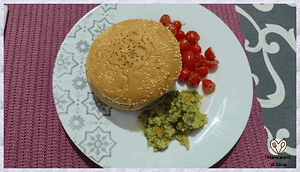
Complete salads, cooked vegetables paired with grains, or simple one-dish meals are great options for organizing balanced meals without stress. Preparations such as black rice salad with vegetables, flavorful couscous, or a sandwich with a plant-based burger work well when you’re looking for something practical yet still light.
Even very simple dishes, like a flavorful tomato salad or a mixed salad dressed in different ways, can become a good base to enrich with whatever you have on hand. Alternatively, cooked or stewed vegetables such as frozen minestrone or the classic artichokes and potatoes stew are perfect when you want something warm and comforting.
These ideas are meant to be adaptable: you can use them as inspiration for a vegetarian dinner, a quick lunch, or a light but complete meal. The goal isn’t to follow rigid rules, but to find practical solutions that help you eat well every day, with simplicity.
Light vegetable-based recipes: frequently asked questions
Are light vegetable-based recipes suitable for everyday meals?
Yes, because they are based on simple ingredients and practical cooking methods. They’re designed to be repeated often without becoming heavy or boring.
What does “dietetico” (light) mean in cooking?
In this context, “dietetico” means light and balanced, not restrictive. These are dishes that help you eat better in everyday life, without giving up flavor.
Can I prepare these dishes even if I have little time?
Absolutely. Many vegetable-based recipes are made in a pan, stewed, or using ready-to-use ingredients such as frozen vegetables or canned legumes.
Are vegetables enough for a complete meal?
It depends on the dish. When combined with legumes, grains, or eggs, vegetables become the base of complete and satisfying meals, suitable for both lunch and dinner.
Can I use frozen vegetables in light recipes?
Yes, frozen vegetables are great allies in the kitchen. They’re practical, help reduce food waste, and work very well in many light preparations.
Are these recipes suitable for a light dinner?
Yes, many of these dishes are perfect for a vegetable-based dinner, helping you stay light while still enjoying a satisfying meal.
Diet-friendly vegetable recipe: conclusion
Cooking a diet-friendly vegetable recipe doesn’t mean making life more complicated or giving up on flavor. It means learning how to make the most of simple ingredients and practical preparations. With a few small adjustments, vegetables can become the foundation of light, versatile dishes suitable for everyday meals.
Whether it’s a first course, a side dish, or a one-dish meal, the key is finding solutions that truly work in daily life. Easy, repeatable, stress-free recipes help you eat better consistently, using what you already have at home and adapting dishes to your own rhythm.