Silvia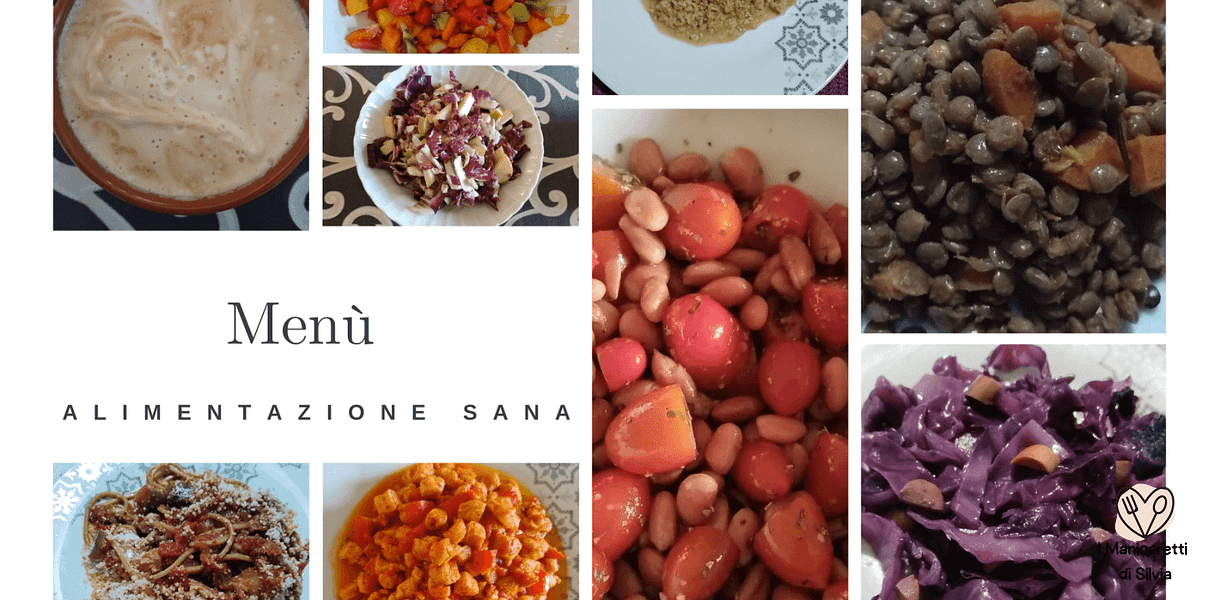
Weekly Balanced Diet Example: Tons of Ideas Inside – Read Now!
Vegetarian and Vegan Meal Plans for a Healthy, Balanced Diet
Following a balanced diet is essential for everyday well-being, but it’s not always easy to know where to start. In this article, I’m sharing a sample weekly meal plan with two options: one vegetarian and one vegan. I’ve adapted the meal plans to include some of my own recipes and offer practical, easy-to-follow ideas.
Important Note: I’m not a nutritionist. This article is for informational purposes only. For a personalized nutrition plan, I recommend consulting a qualified professional and visiting Piattoveg.info, a website managed by certified nutritionists specializing in plant-based eating. The sample menus are meant to help you organize your week with healthy, light recipes already featured on the blog.
What Does a Balanced Diet Really Mean?
Terms like “balanced,” “healthy,” “wholesome,” and “low-calorie” diet are often used interchangeably, but they don’t mean the same thing. A balanced diet provides the right proportion of macronutrients: about 50% carbohydrates, 30% healthy fats, and 20% protein, along with adequate fiber, vitamins, and minerals. It’s a solid foundation for everyone, but it should be personalized based on age, lifestyle, specific needs, or health goals.
A healthy and balanced diet doesn’t eliminate essential food groups. Instead, it focuses on variety and food quality, while limiting refined sugars, excess salt, and trans fats. A low-calorie diet, on the other hand, simply reduces overall caloric intake—often for weight loss—but it’s not always balanced.
Benefits of a Balanced Diet on Health
A healthy and balanced diet is not just about weight control. Its benefits extend to all areas of well-being:
-
More stable mental energy throughout the day
-
Improved mood, thanks to nutrients like Omega-3, tryptophan, and complex carbohydrates
-
More restful sleep, without heavy dinners or magnesium deficiencies
-
More regular digestion, supported by fiber from fruits, vegetables, and legumes
-
Radiant skin, thanks to antioxidant vitamins like A, C, and E
-
Regular menstrual cycles in women
-
Better athletic performance, with consistent energy and optimized recovery
Following a good weekly meal plan can help prevent fatigue, bloating, recurring headaches, and lapses in concentration.
How to Make a Balanced Diet Sustainable Over Time
One of the secrets to maintaining a healthy diet in the long term is organization. Here are some strategies:
-
Plan your weekly menu: use the examples below as a base.
-
Shop with a precise list: avoid impulse buys and reduce waste.
-
Use the freezer strategically: freeze ready-made portions or pre-cut vegetables.
-
Cook once, eat twice: take advantage of batch cooking.
-
Reuse blog recipes: for example, soy stew or zucchini soup keep well and can be transformed into other dishes.
For more useful tips, check out my article on how to organize your pantry.
Soon, I’ll also share a handy “weekly balanced diet example” chart.
Common Mistakes in DIY Weekly Diets
Many people, in an effort to “eat better,” often make these mistakes:
-
Skipping breakfast or having unbalanced meals.
-
Cutting out carbohydrates thinking they cause weight gain.
-
Completely avoiding fats, neglecting healthy ones (like extra virgin olive oil, nuts).
-
Overusing light or “diet” substitutes that are often low in nutrients.
-
Eating meals that are too small, leading to nervous hunger or excessive snacking.
-
Lack of variety, which causes boredom and nutritional deficiencies.
A balanced plan should be complete, satisfying, and varied.
Weekly Balanced Diet Example: Vegetarian Menu
This menu includes dairy products and eggs. It’s designed for those following a balanced vegetarian diet who want to organize their meals in a healthy, tasty, and simple way.
Monday
-
Breakfast: plain yogurt with rolled oats and mixed nuts
-
Snack: fresh fruit salad
-
Dinner: zucchini stew + whole grain bread
Tuesday
-
Breakfast: toasted bread with almond butter and banana
-
Snack: plain yogurt with fresh fruit and almonds
-
Lunch: pasta with zucchini flowers + celery salad
-
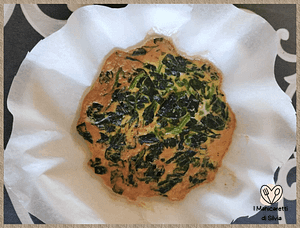
Dinner: baked spinach frittata + steamed potatoes + raw vegetables
Wednesday
-
Breakfast: smoothie with plant-based milk, oats, and nuts
-
Snack: fruit salad + walnuts
-
Lunch: tofu + quinoa + grilled vegetables + raw vegetables
-
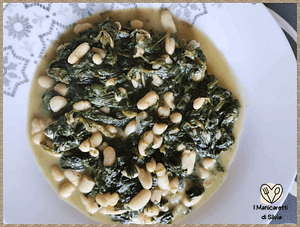
Dinner: spinach and cannellini beans + rye bread + raw vegetables
Thursday
-
Breakfast: plain yogurt with rolled oats, hazelnuts, and strawberries
-
Snack: an apple
-
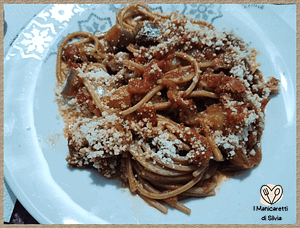
Lunch: pasta alla Norma (without frying the eggplants) + raw vegetables
-
Dinner: pepper stew + raw vegetables
Friday
-
Breakfast: crispbread with fruit jam
-
Snack: fresh fruit salad + almonds
-
Lunch: risotto with zucchini flowers and saffron + arugula salad
-
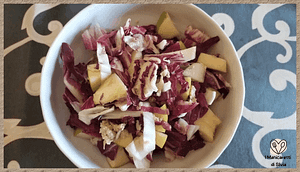
Dinner: radicchio salad with vegan tuna and apple + rye bread
Saturday
-
Breakfast: soy milk + whole grain bread + sugar-free jam + walnuts
-
Snack: plain yogurt with rolled oats and fresh fruit
-
Lunch: pasta with cauliflower + mixed salad
-
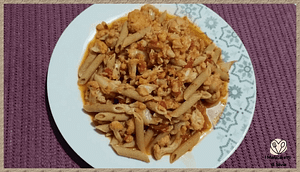
Dinner: pan-cooked veggie burger + steamed Swiss chard + fennel salad
Sunday
-
Breakfast: plant-based cappuccino with whole-grain cookies + dried fruit
-
Snack: fruit salad + plain yogurt
-
Lunch: ricotta and spinach ravioli with butter and sage + tomato salad
-
Dinner: vegetable cream soup + whole-grain croutons + raw vegetables

Weekly Balanced Diet Example: vegan menu
This menu excludes all animal-derived foods and is based on plant protein sources (legumes, tofu, soy, seitan). It is ideal for those following a balanced, sustainable, and light vegan diet.
Monday
-
Breakfast: cappuccino with plant-based milk and toasted bread with jam + almonds
-
Snack: fruit salad + dried fruit
-
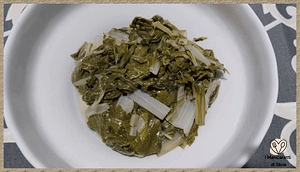
Lunch: dried lentils + basmati rice + steamed Swiss chard + raw vegetables
-
Dinner: borlotti bean salad + whole grain bread
Tuesday
-
Breakfast: toasted whole grain bread with jam and banana
-
Snack: fresh fruit + plant-based yogurt
-
Lunch: pumpkin risotto without butter and vegan parmesan or nutritional yeast + sautéed cabbage + raw vegetables
-
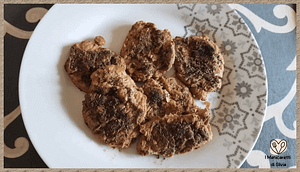
Dinner: soy steaks + sautéed zucchini + quinoa + fennel salad
Wednesday
-
Breakfast: smoothie with almond milk, oats, and walnuts
-
Snack: fruit salad + almonds
-
Lunch: radicchio salad with vegan tuna and apple + whole grain bread
-
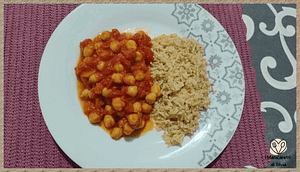
Dinner: rice and chickpeas + whole grain bread + tomato salad
Thursday
-
Breakfast: plant-based yogurt with seeds and fresh fruit
-
Snack: fresh fruit + walnuts
-
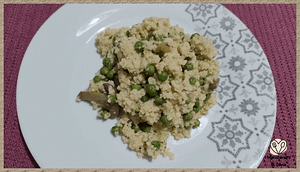
Lunch: millet + peas + steamed carrots + raw vegetables
-
Dinner: meatless balls in tomato sauce + mixed salad
Friday
-
Breakfast: plant-based milk with muesli
-
Snack: plant-based yogurt with chopped apple and almonds
-
Lunch: pasta with zucchini flowers + rocket salad
-
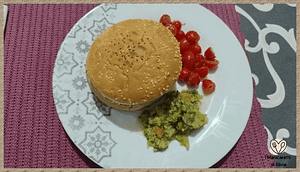
Dinner: sandwich with veggie burger + grilled eggplants + raw vegetables
Saturday
-
Breakfast: plant-based milk + whole grain bread with jam + walnuts
-
Snack: fruit salad + plant-based yogurt
-
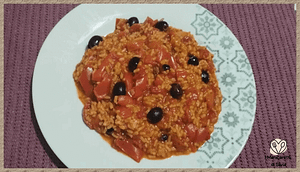
Lunch: rice with peppers + sautéed beans + raw vegetables
-
Dinner: minestrone soup + whole grain croutons + celery salad
Sunday
-
Breakfast: plant-based cappuccino + vegan cookies + dried fruit
-
Snack: fresh fruit + plant-based yogurt
-
Lunch: couscous with vegetables + hummus + raw vegetables
-
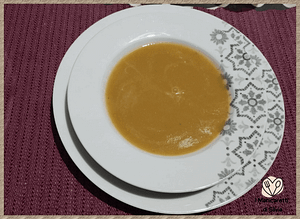
Dinner: creamy zucchini soup + whole grain bread + raw vegetables
Weekly Diet: Strict or Flexible?
Follow a weekly meal plan with flexibility. Sticking to a planned menu is helpful, but there will be days when your needs change. In those cases:
-
Keep the basic structure (vegetables, grains, proteins) even if you swap ingredients.
-
Use fruit as an afternoon snack — it’s satisfying and naturally sweet.
-
Leave room for spontaneity, dining out, or family meals — they’re part of life and won’t derail your progress if balanced across the week.
The key is to aim for consistency, not perfection.
Weekly Balanced Diet PDF: Where to Find It and Why
Many people search online for a weekly meal plan in PDF format, ideally created by a certified nutritionist. If you’re looking for a balanced weekly diet PDF or a vegetarian meal plan to follow, I recommend once again the website Piattoveg.info, which offers:
-
downloadable weekly meal plans;
-
balanced menus for all ages;
-
vegan and vegetarian options;
-
content written by certified nutritionists.
It’s a great reference if you’re looking for a structured weekly diet for weight loss, healthy eating, and a reliable, free nutritional guide.
Weekly Balanced Diet Example: Why Choose a Plant-Based Diet
A well-planned plant-based diet, whether vegetarian or vegan, offers numerous benefits for health, the environment, and animal welfare. It’s rich in fiber, vitamins, antioxidants, and minerals, and can provide all essential nutrients when followed correctly.
Health Benefits
Numerous scientific studies confirm that a plant-based diet lowers the risk of cardiovascular disease, improves gut health, and helps maintain a healthy weight. In addition, plant-based eating is generally lighter and easier to digest compared to diets rich in animal products.
The Environment Will Thank You
From an environmental perspective, reducing the consumption of meat and animal products helps lower greenhouse gas emissions, water usage, and land exploitation—making our eating habits more sustainable. Ethically, it avoids the exploitation and suffering of animals, which are often raised in stressful and unnatural conditions.
Ethical Reasons
More and more people are choosing this lifestyle not only for health reasons but also out of greater awareness and respect for the planet and animals. Choosing a plant-based diet doesn’t mean giving up taste or variety—on the contrary, it encourages more creative and mindful cooking.
If you’d like to learn more about starting this journey, I recommend the website Veg Facile. It’s a step-by-step guide that explains how to become vegetarian or vegan and clearly shows how animals are treated in industrial farms. It helps you understand the ethical motivation behind this choice. It was incredibly helpful for me.
Adopting a balanced and respectful diet can be a true journey of discovery—one that improves your personal wellbeing and contributes to a better world.
If you’re ready to start, the “Weekly Balanced Diet Example” I shared earlier is the perfect foundation.
Plant-Based Protein Sources: Quality and Variety
Many people think that protein only comes from meat, fish, or dairy, but there are excellent plant-based sources that, when combined properly, provide all essential amino acids.
Here are some of the main plant-based protein sources:
-
Legumes: lentils, chickpeas, beans, peas — rich in protein and fiber.
-
Whole grains: brown rice, farro, quinoa (excellent because it contains all essential amino acids), oats.
-
Seeds and nuts: chia seeds, flaxseeds, walnuts, almonds, cashews.
-
Soy products: tofu, tempeh, soy milk.
-
Other protein-rich foods: seitan, spirulina, plant-based protein powders (especially useful for athletes).
The key to a complete protein intake is to vary and combine these foods throughout the day, ensuring a balanced amino acid profile.
FAQ: Frequently Asked Questions About Balanced Vegetarian and Vegan Diets
1. Is it difficult to get enough protein on a plant-based diet?
No, with some planning and variety, it’s easy to meet your protein needs even without animal products.
2. Can I lose muscle mass following a vegan menu?
No, if your meals are well balanced and include adequate protein sources, muscle mass is maintained or can even increase with training.
3. How can I vary my meals without getting bored?
Experiment with different spices, grains, and cooking methods to make each dish unique and tasty.
4. Do I need supplements if I follow a vegan diet?
It is recommended to take vitamin B12 and vitamin D supplements, after consulting a doctor or nutritionist and doing specific blood tests. The doctors at Scienza Vegetariana are always available to answer questions for free, kindly and professionally. I’ve always had a good experience with them. After showing them my blood tests, they advised me on the correct supplement dosages.
Iron and omega-3 require separate consideration. For iron, I refer you to this article on proper intake; supplements are not always necessary. Regarding omega-3s, after years of taking them from flaxseeds, I got tired of grinding them and now take one 250 mg capsule per day of the Ovega supplement. I’ve tried several and this is the best in terms of dose, taste, and texture. For vitamin B12, I prefer the brand NUTRA-BE, which absorbs quickly under the tongue compared to others.
How I Organize My Balanced Plant-Based Diet
Combining Foods
To manage nutrients effectively and reach my goals, I personally use the MyFitnessPal app, where I input the macronutrients and calories recommended by my trainer, since I regularly go to the gym. This strategy helps me combine different foods throughout the day in a way that ensures an adequate intake of carbs, fats, and especially proteins.
To cover my protein needs, besides legumes and grains, I also use plant-based protein powders and lupins, which are very good and practical protein sources. However, it’s important to highlight that calculating grams of nutrients should always be done with the help of a professional—like a nutritionist, dietitian, or certified trainer—to avoid mistakes and ensure a balanced, safe plan. Avoiding DIY nutrition is essential for long-term health and well-being.
This combination of technology, professional support, and plant-based eating allows me to follow a balanced, sustainable, and personalized diet.
Dinner and Common Myths
I also tend to eat slightly more at dinner, especially after training. It’s important to try to balance calories between lunch and dinner so they are similar, without fearing carbohydrates before bedtime. Contrary to many myths, carbs at dinner don’t cause weight gain—in fact, they help energy recovery. For a deeper dive into this topic, I recommend reading the Project Invictus article, which debunks many carb myths and explains how to include them properly in your diet.
Finding Your Own Balance
Therefore, the weekly menu I suggested in the article is generic and indicative, just an example of how to organize your week. It doesn’t exactly match my daily diet because I follow a personalized plan that considers my workouts, protein targets, and other details, like adjusting the grams of bread or grains to balance macronutrients.
Once you have your reference values set with an expert, you can combine foods on your own using tools like MyFitnessPal or another calorie-counting app, and by using blog recipes where ingredients and weights are specified. Just one main course, one side, raw veggies, and one or two balanced snacks are enough to build a healthy, complete daily diet that you can customize based on what you have at home.
Weekly Balanced Diet Example: Conclusion
Organizing a balanced weekly menu may seem challenging, but with a bit of planning and simple recipes, it can become a sustainable routine. It’s hard only at the start, then it gets easier. Whether you follow a vegan or vegetarian diet, these examples will help you eat better, enjoy your food, and avoid stress. Always consult reliable sources like Piattoveg.info and listen to your body—everyone has different needs.
Now you know everything about the topic “example of a balanced weekly diet.” Start with this and let me know how it goes!